
Keeping Things Clean: The Reality of Semiconductor Heating
If you’ve ever spent time in a Class 100 cleanroom, you know the drill. It’s not just about the air filters. The real nightmare is the stuff you can’t see—the tiny particles and gases that leak out of your equipment and wreck everything. When it comes to heating elements, “almost clean” just isn’t good enough. That’s why we lean on high-purity synthetic quartz and gold coatings. It’s the only way to actually hit those zero-contamination marks.
Why we use gold
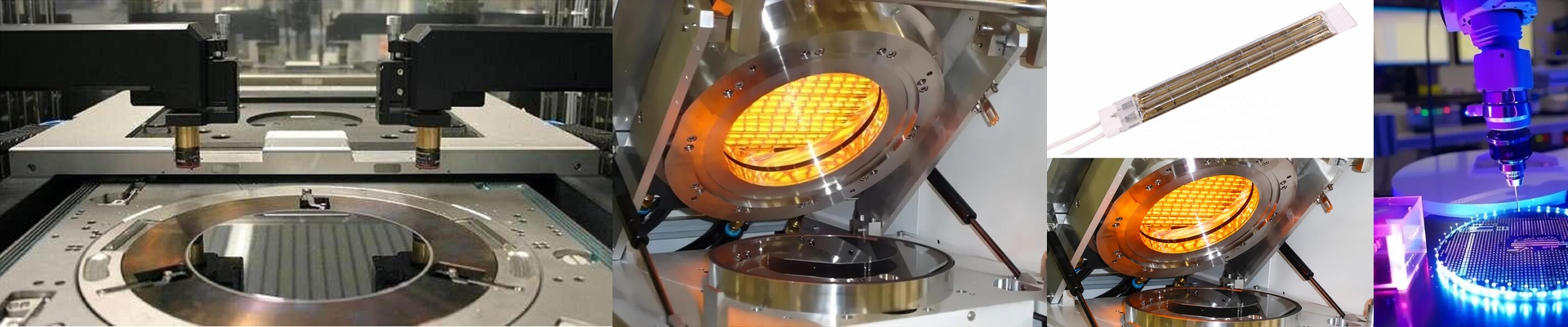
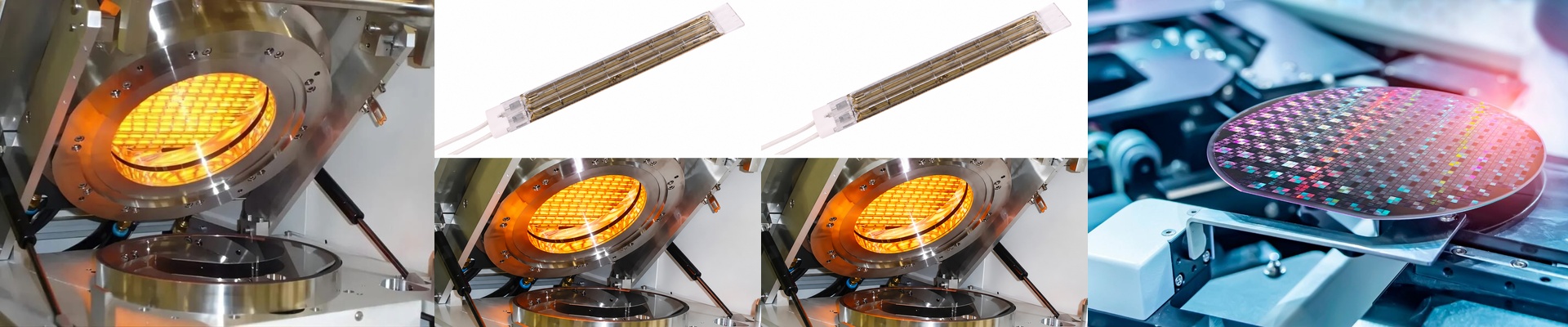
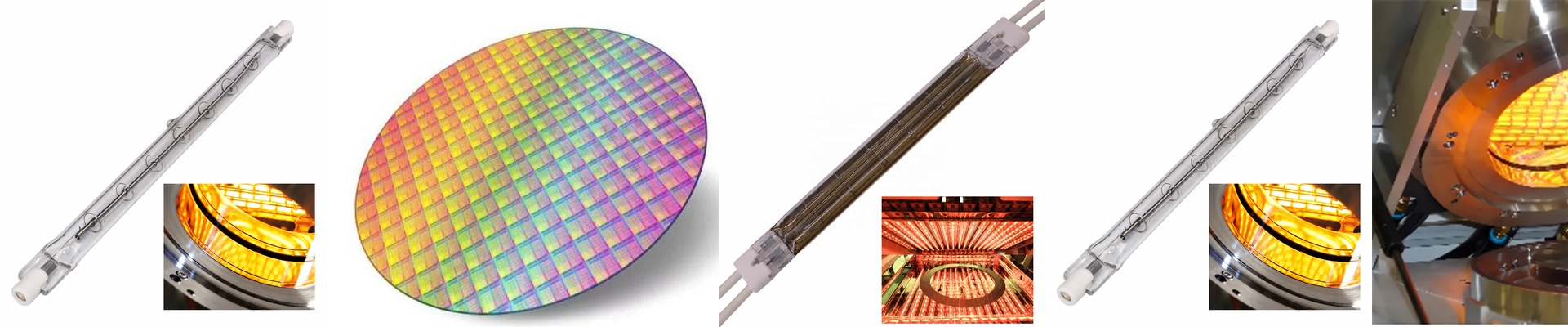
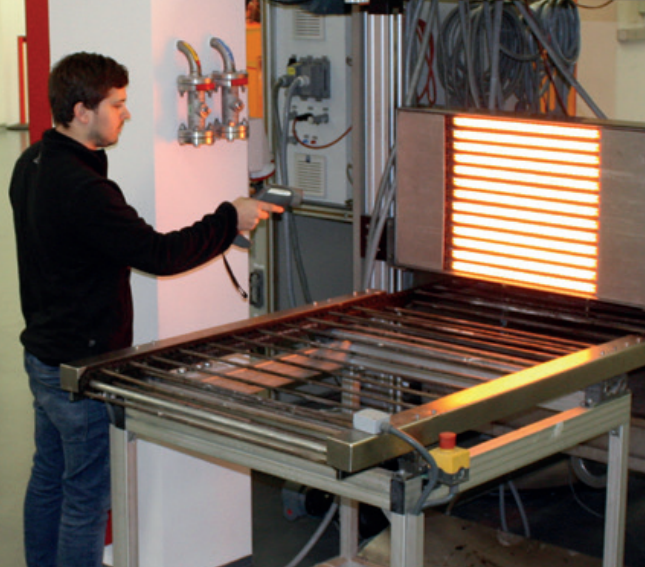
Think about a standard infrared lamp. It throws heat everywhere. But in a semiconductor setup, heating up the machine’s chassis is a waste of energy—and a headache. To fix that, we put a thin layer of gold on the back of the quartz tube. It acts like a mirror, bouncing all that IR energy forward and slamming it right into the wafer. You might wonder why we don’t just use aluminum. Simple: aluminum oxidizes. When it does, it flakes. And those tiny flakes? They’re basically landmines for a batch of silicon wafers. Gold doesn’t do that. It stays stable, even when things get scorching hot.
The materials matter
We use high-purity quartz because we can’t have ions leaching into the mix. Cheap glass has impurities that start migrating into the chamber once the heat kicks in. We fire and clean our tubes thoroughly so there’s absolutely nothing left on the surface. Inside, the filament lives in a vacuum or a halogen-filled space. This keeps the quartz from turning dark over time. It means your heat stays steady and consistent across the whole lamp, from end to end.
A few things to watch out for
These lamps are intense. Because that gold coating pushes so much energy forward, your target surface hits the right temperature fast.Really fast. Because of that, you need to be smart about your PID controllers and cooling manifolds. If your cooling loop can’t pull the heat away from the ends of the lamp, you’re going to fry your seals or ruin your connectors. We designed these to be drop-in replacements for your current tools. Just do yourself a favor and double-check that your power supply can handle the wattage ramps needed for those fast heating cycles.