Stop Wasting Energy on Air: A Better Way to Dry Wafers
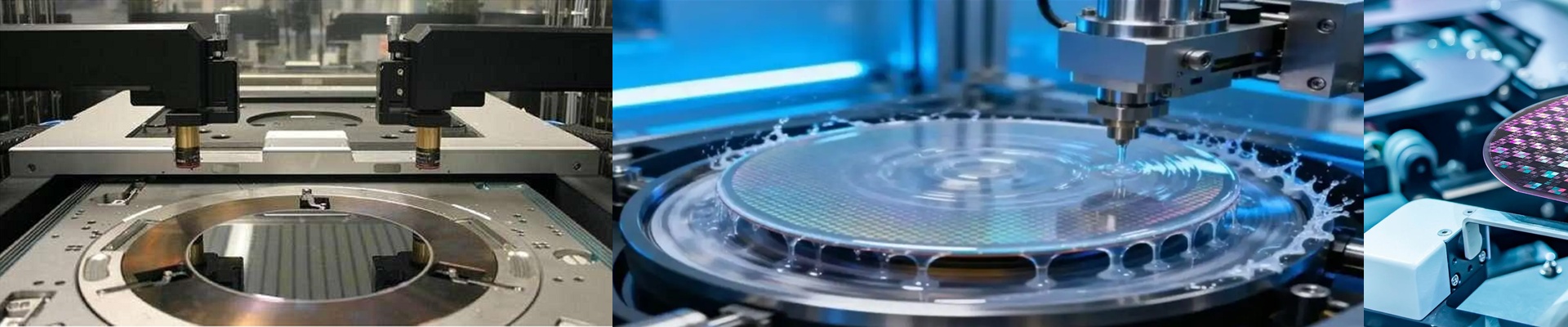
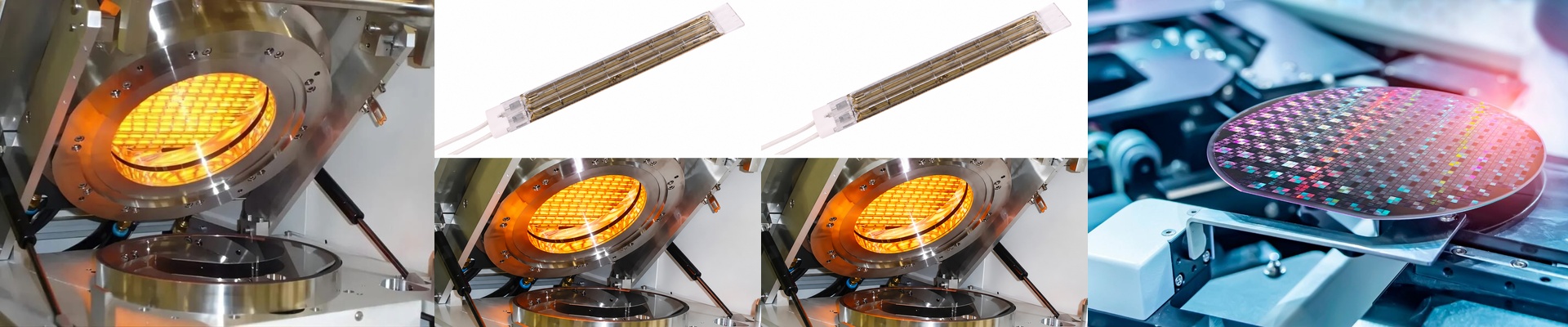
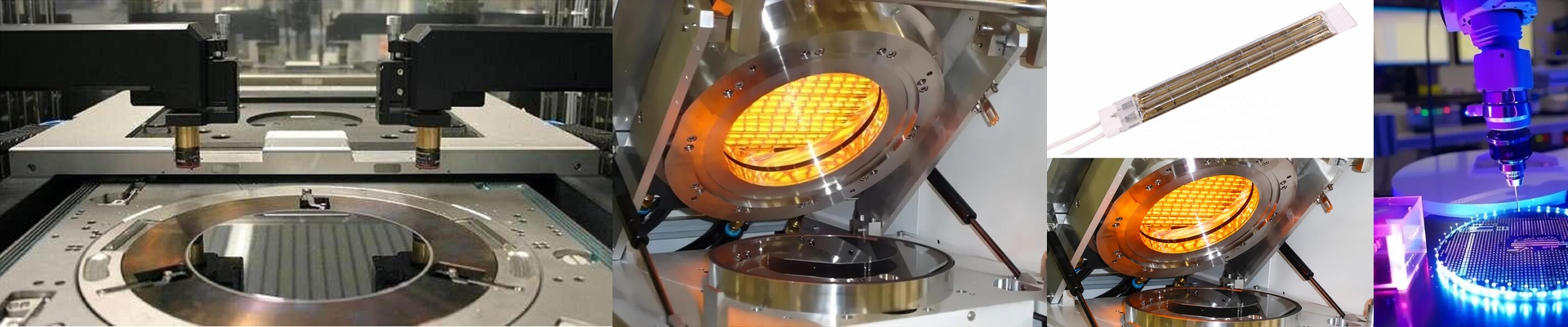
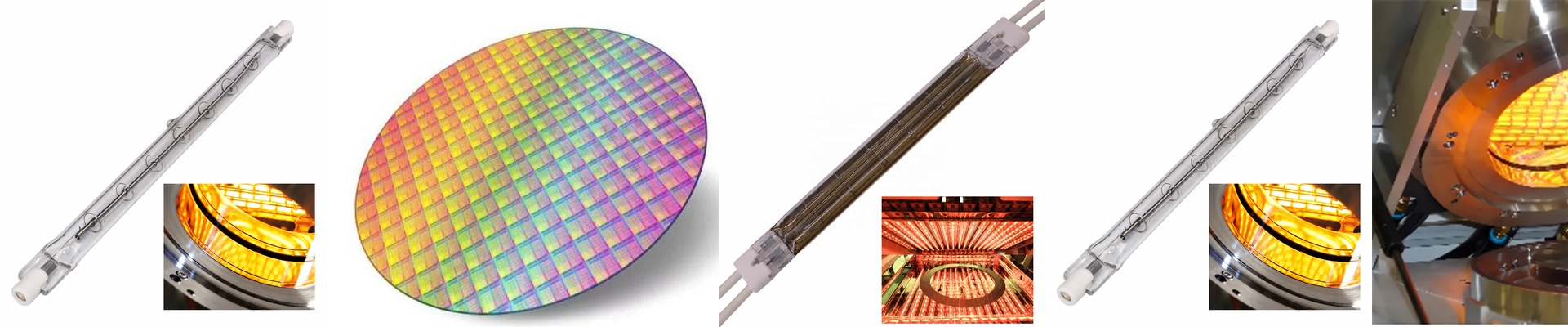
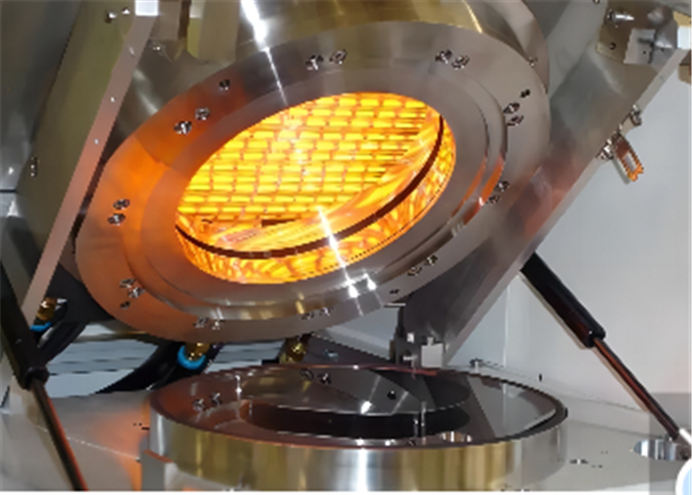
Semiconductor fabs are feeling the heat to go carbon neutral. But if you look at the drying phase, it’s often a disaster for energy efficiency. Too many lines are still using old-school convection ovens. It’s basically like trying to heat a whole room just to warm up a single cup of coffee—you’re wasting a ton of power heating the chamber walls when all you actually care about is the wafer. How IR actually works We’ve shifted to short-wave infrared (IR) lamps because they stop messing around with the air. Instead of waiting for the atmosphere to warm up, the photons hit the wafer surface and turn into heat instantly. It’s fast. Really fast. You hit your drying temperature in seconds, not minutes. The numbers (and why they matter) When we walk through a fab for an audit, we look at one thing: kilowatt-hours per wafer. By using focused IR arrays, we get rid of that massive “thermal mass.” You aren’t fighting against heavy steel walls anymore. Plus, we use pulse-width modulation (PWM) to dial in the energy. It’s like having a dimmer switch instead of a blunt on/off switch. You stop overshooting your temperature, which means no more worrying about warped wafers. And the best part? Your power draw usually drops by 20% to 30%. The catch: You can’t just “plug and play” Now, here’s the thing. IR arrays pack a serious punch in a tiny space. You can’t just slide these into an old chassis and call it a day. If your cooling manifolds aren’t up to the task, the radiant heat reflecting off the wafer holders will wreck your setup. You’ll either burn out your lamps or, worse, damage the substrate. Switching to IR is about more than just swapping a bulb. It’s about looking at the whole energy balance of the fab and killing off that “idle heat” that’s been draining your budget for years.