Keeping Your Wafers Clean (And Your Sanity Intact)
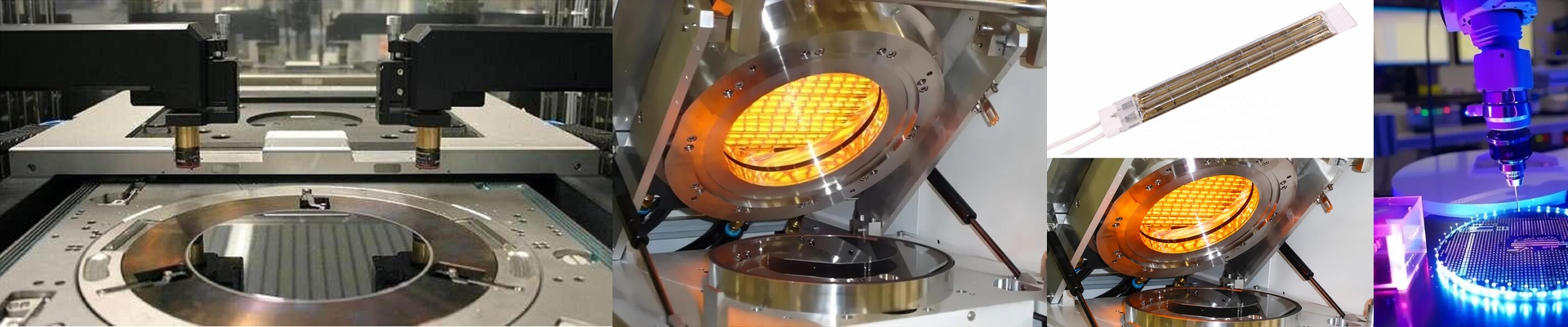
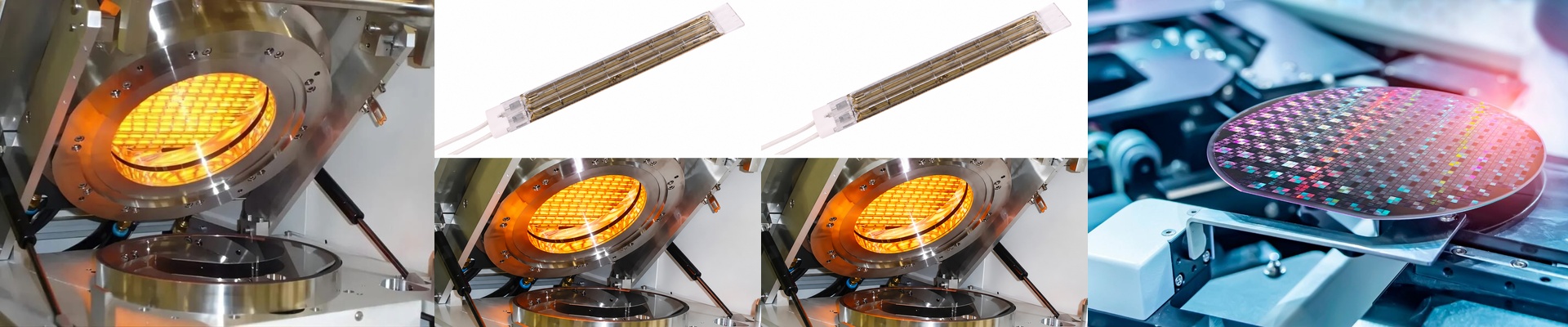
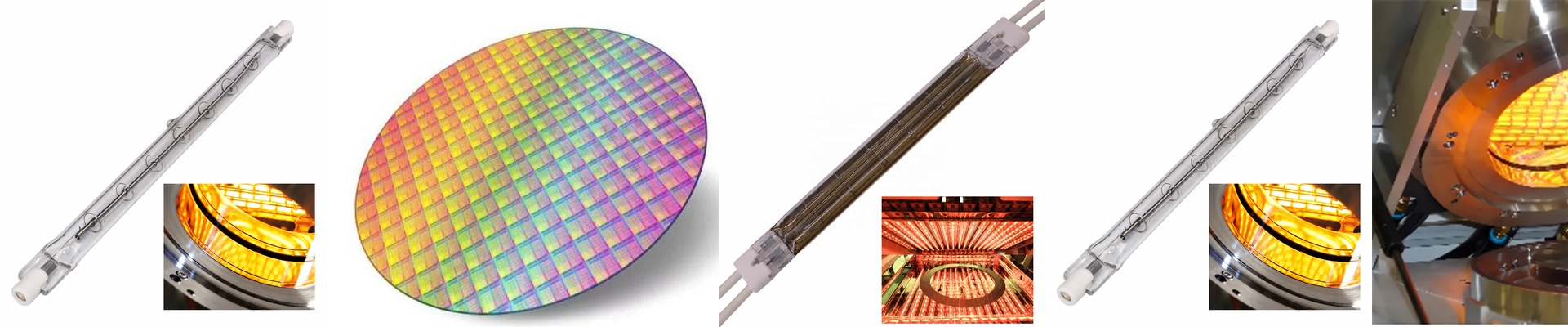
In the world of bio-sensor fabrication, one popped lamp is a nightmare. It doesn’t just pause your day—it kills the entire batch. When a quartz tube gives out under a heavy load, it basically showers your workspace in glass shards and chemical gunk. It’s a mess. That’s exactly why we built our infrared lamps the way we did. We wanted to stop that secondary contamination from ever happening. Why do these things blow? Usually, it comes down to thermal shock or those annoying localized hotspots. To fix that, we use high-purity fused quartz. It has a low coefficient of thermal expansion, which is a fancy way of saying it can take a beating. You can ramp the heat up and down quickly without the tube cracking. We also make sure the wall thickness is dead-on consistent. No weak spots, no premature burnouts. The safety net We don’t leave your wafers to chance. We use a two-layer approach to keep things safe. First, we reinforced the end-caps. This stops gas leaks and keeps the seals from failing. Then, we added specialized protective sleeves. Here’s the beauty of it: if the internal filament fails and the tube cracks, the sleeve catches everything. The debris stays put. No glass fragments on your wafers. Period. A word on high-load setups Look, running these lamps at max wattage speeds up your fabrication. That’s the goal. But it also cranks up the heat density, which puts a lot of pressure on your power supply and cooling manifolds. Just make sure your cooling system is actually up to the task. If your airflow is too low, the lamp is going to die a lot faster. It’s a simple trade-off. Getting it into your line We designed these to be drop-in replacements. No need to rebuild your entire line. We spent a lot of time on the fit and the seal. By tightening the tolerances between the lamp and the housing, we cut out the vibrations that usually lead to breakage. You get steady, reliable heat without the constant fear of a catastrophic failure right over your production line.