Stop Letting Dust Ruin Your Biosensors
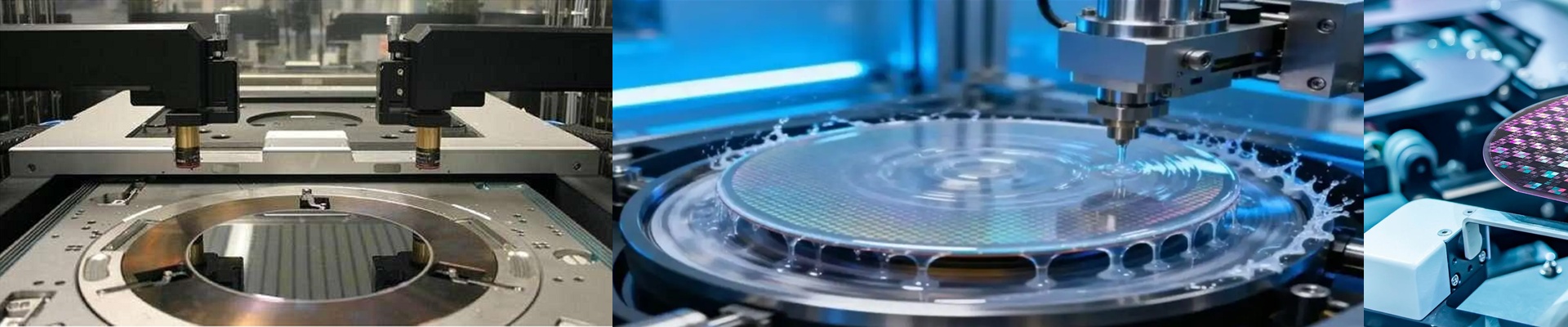
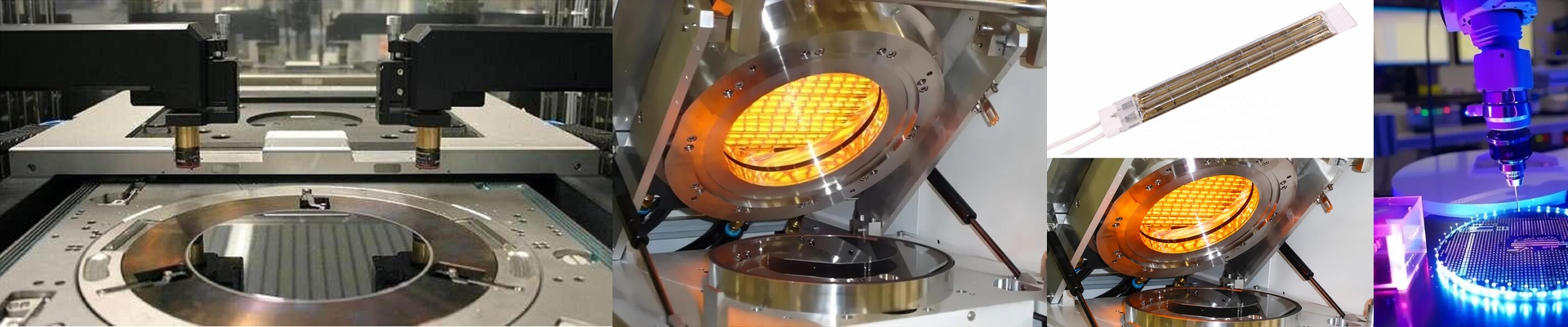
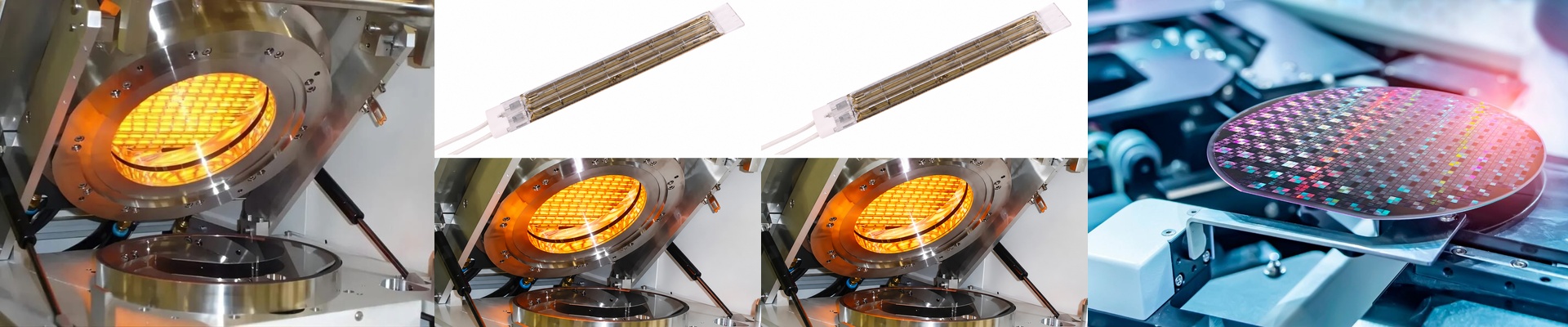
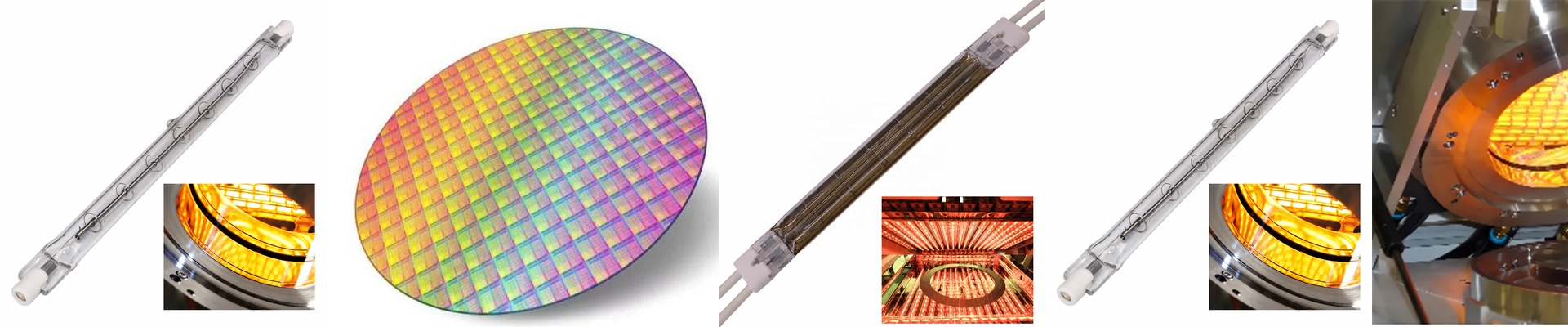
When you’re working in a Class 100 cleanroom, you’re basically fighting a war against the invisible. One tiny speck of dust or a weird chemical fume—what the engineers call “outgassing”—and your whole batch is toast. The problem is that most standard heating elements are a nightmare in these environments. They flake. They peel. They release VOCs the second they hit peak temp. It’s a disaster waiting to happen. That’s why we switched to high-purity fused quartz infrared lamps. They’re built for exactly this kind of “zero-tolerance” setup. Why the quartz actually matters We use synthetic fused quartz for the lamp envelope. Now, the technical side is that it has a low coefficient of thermal expansion, but in plain English? It doesn’t crack when you crank the heat up and down. But here’s the real win: it doesn’t shed. When you’re curing those sensitive bio-layers, a single stray particle can punch a pinhole right through your layer or short out the sensor array. It’s heartbreaking to see a perfect wafer ruined by a microscopic piece of debris. With quartz, that risk pretty much vanishes. Getting the heat right We’ve tuned these lamps for short-wave emission. This means the heat goes straight into the substrate instead of baking your housing or melting things that shouldn’t be hot. We also dial in the wattage and voltage to hit the exact heat density you need. It ramps up fast. Really fast. And that’s a big deal because it shrinks the window of time where airborne junk can settle on your wafers. Putting it into practice We’ve added specialized seals to these lamps so you don’t have to worry about internal halogen gases leaking into your cleanroom. Just a heads-up: make sure your mounting brackets are something clean, like 316L stainless steel. Don’t let a cheap bracket undo all your hard work. One last thing to watch out for. These tubes put out a lot of heat. If your HVAC isn’t beefy enough to handle the total BTU output, you’re going to feel temperature swings across your wafer. You’ve got to find that sweet spot between the lamp power and your airflow. Once you balance those two, your thermal map will stay flat and your sensors will come out perfect every time.