Stop Cooking Your Equipment: A Better Way to Handle Heat Soak
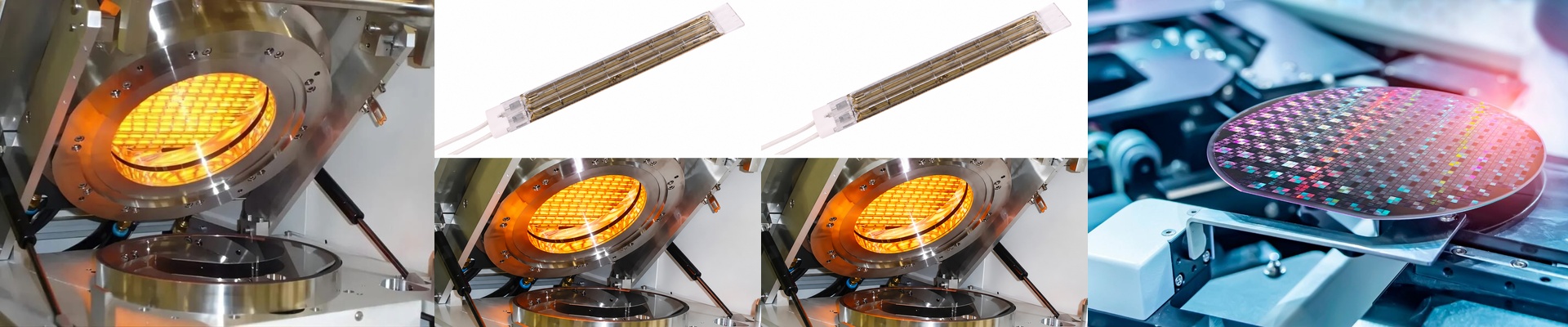
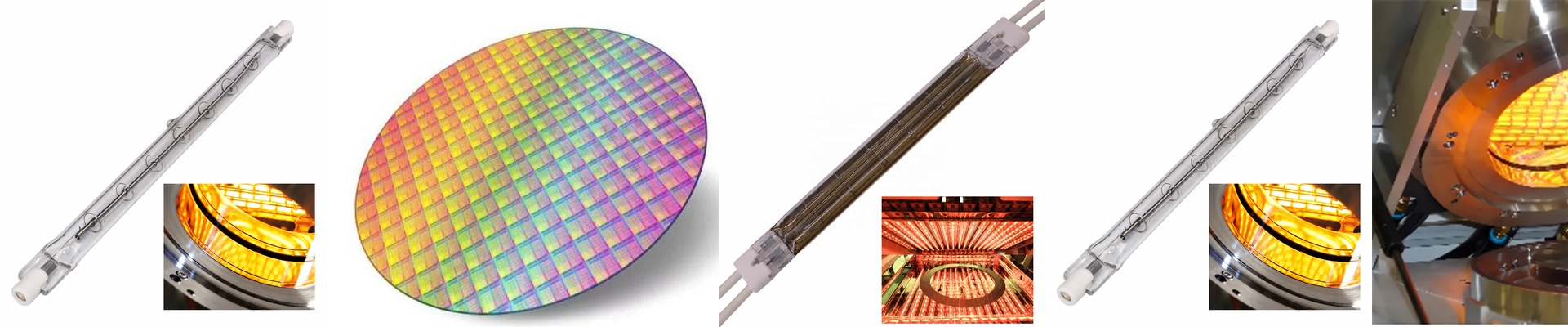
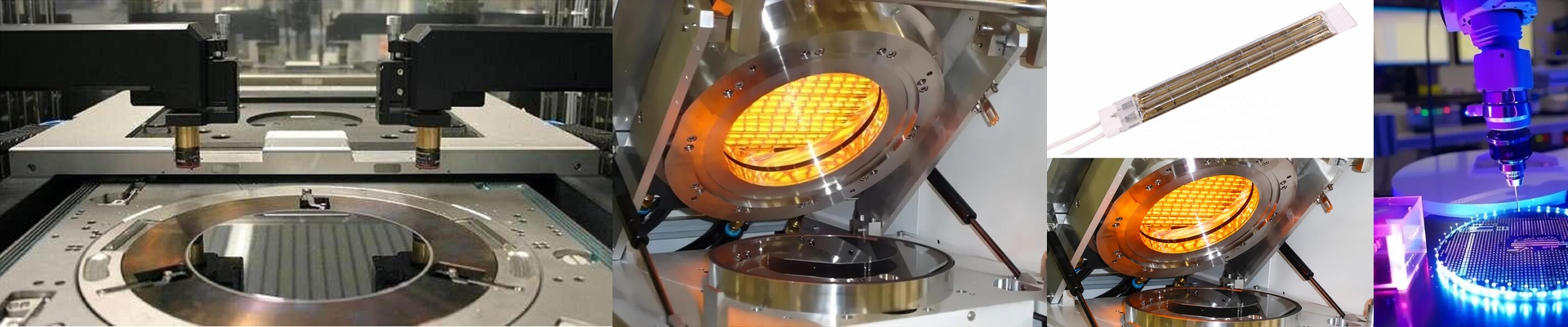
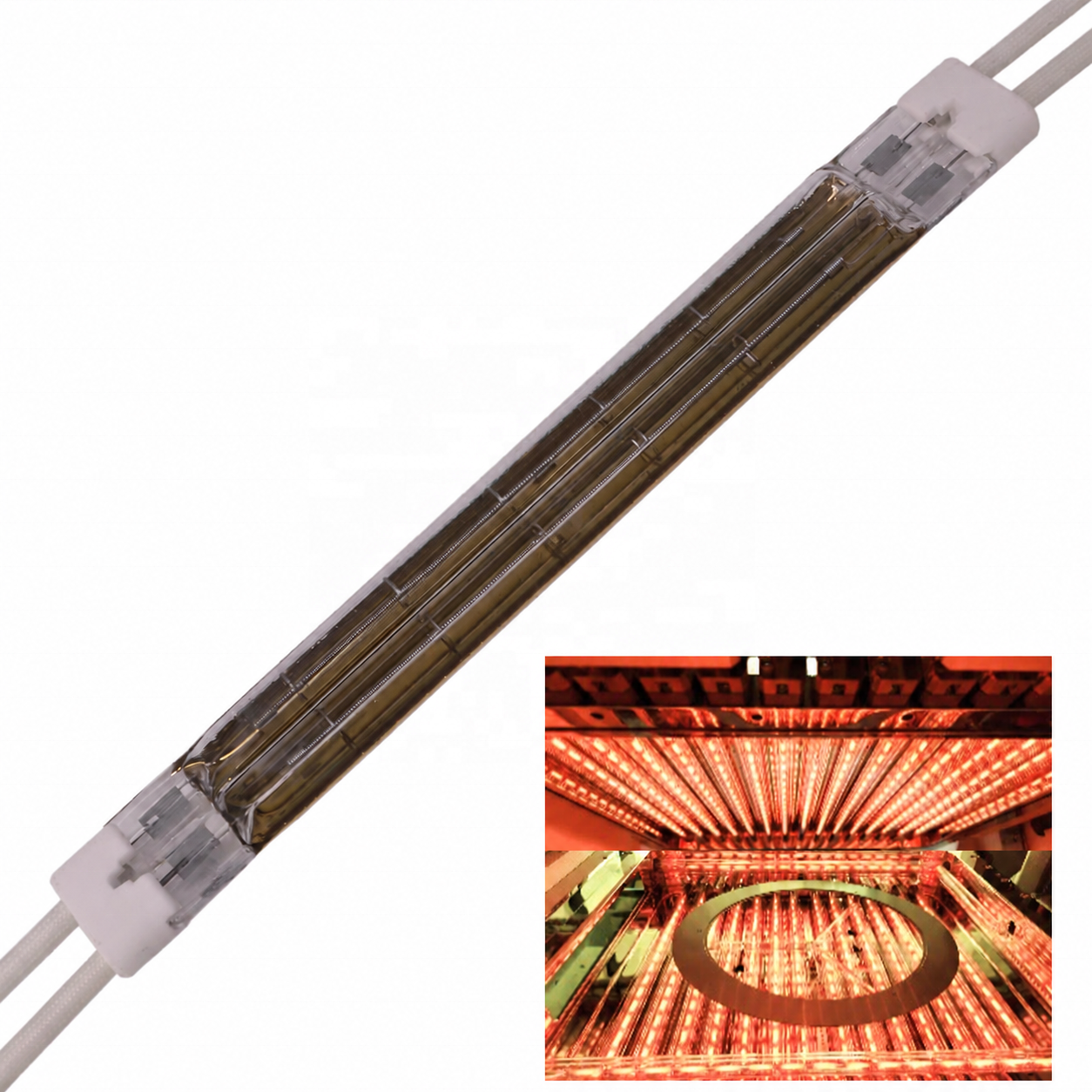
Most standard heating elements are a bit chaotic. They throw energy in every single direction—360 degrees of heat. When you’re working in a tight semiconductor chamber, that’s a problem. All that stray energy hits the inner walls of your gear, turning your expensive equipment into a giant oven. It’s not just a waste of power. “Hot walls” can warp your components, and let’s be honest, nobody likes getting burned during a routine maintenance check. That’s why we use directional infrared (IR) lamps. How it actually works Instead of letting the heat wander, we use specific reflectors and wavelength-tuned lamps to push the energy exactly where it needs to go. Think of it like switching from a lightbulb that fills a room to a flashlight that hits a specific spot. The heat goes straight to the wafer or substrate. The walls of the cabinet stay cool because they aren’t absorbing energy they don’t need. Cooler machines, happier techs Once you make the switch, you’ll notice the ambient temperature inside the machine just… drops. It’s a relief. You can stop relying on those massive, noisy cooling fans or spending a fortune on heavy-duty heat shields. Your thermal footprint gets much smaller, which makes things way safer for the guys on the floor. No more scorching the inner panels just to get your target part up to temp. The catch Now, this isn’t a magic fix for everything. Because you’re focusing the beam, the heat density at the target point is much higher. If your PID controller isn’t dialed in perfectly, you could overshoot your setpoint and fry your material. It happens. To keep things stable, you’ll need fast-response thermocouples. You can’t afford a lag in your feedback loop when the heat is this concentrated. Where to start Take a look at your current setup. If your cabinet walls are burning hot but your target part is still struggling to reach temperature, your radiation is scattering. It’s a waste of energy and a risk to your hardware. Fixing the energy path with a directional setup just makes more sense.