
Stop Waiting on Hot Air: Why IR Emitters Actually Work
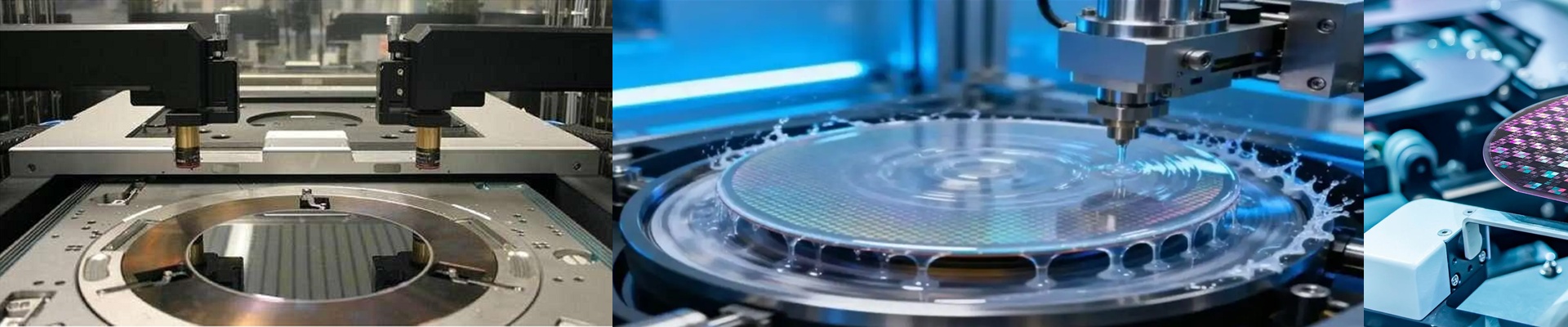
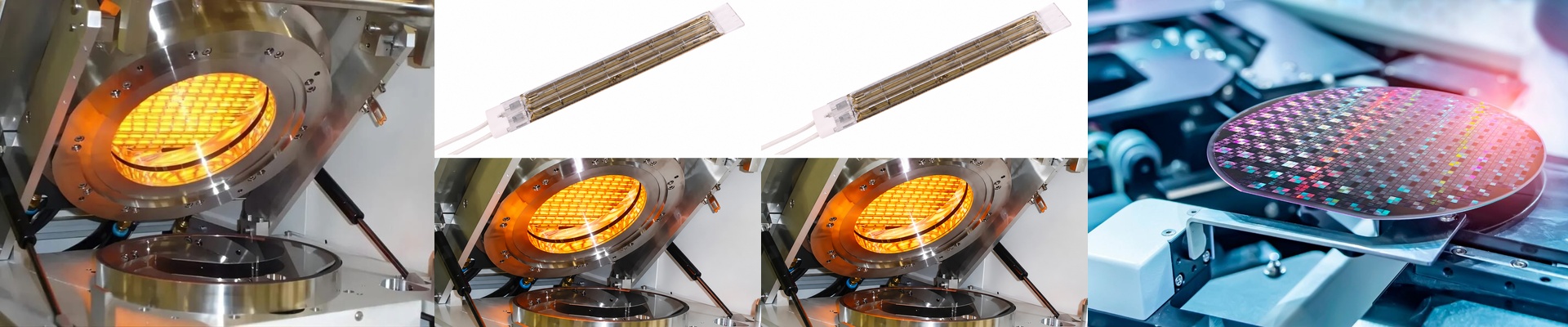
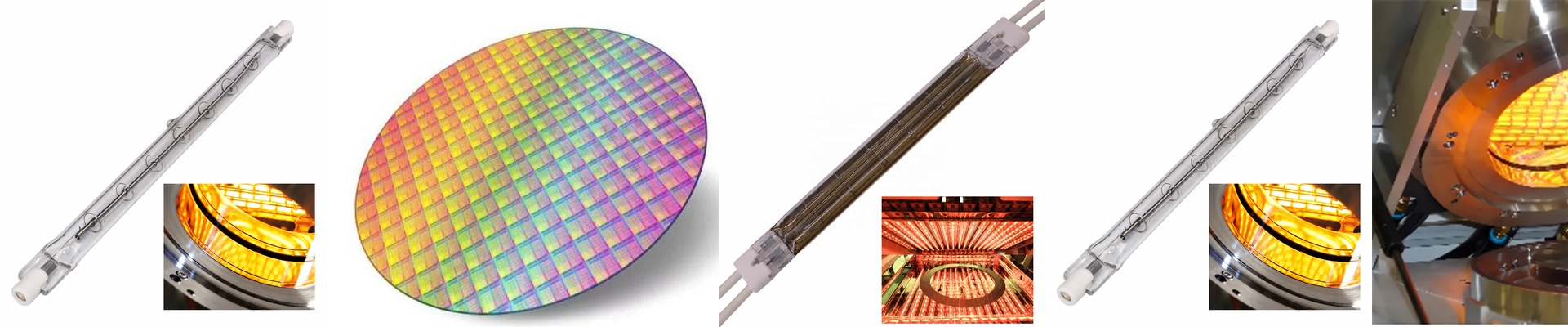
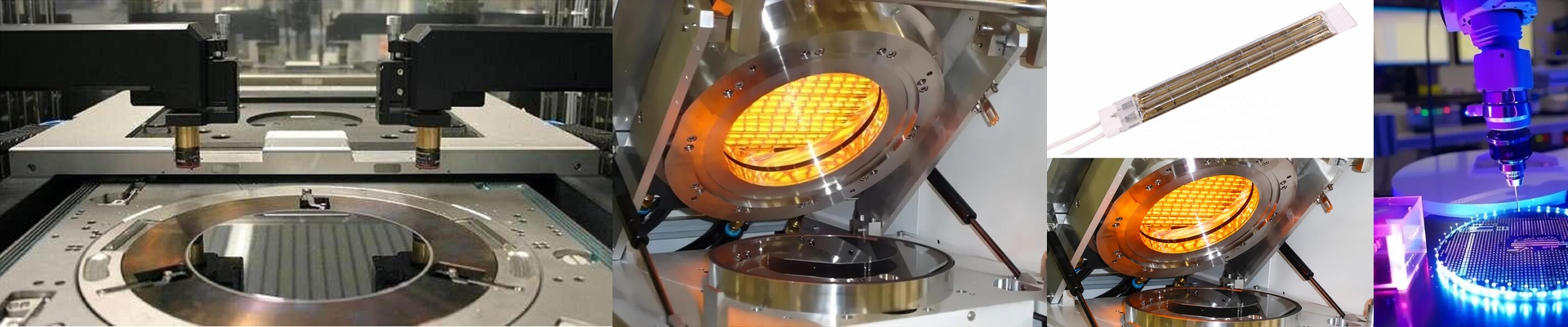
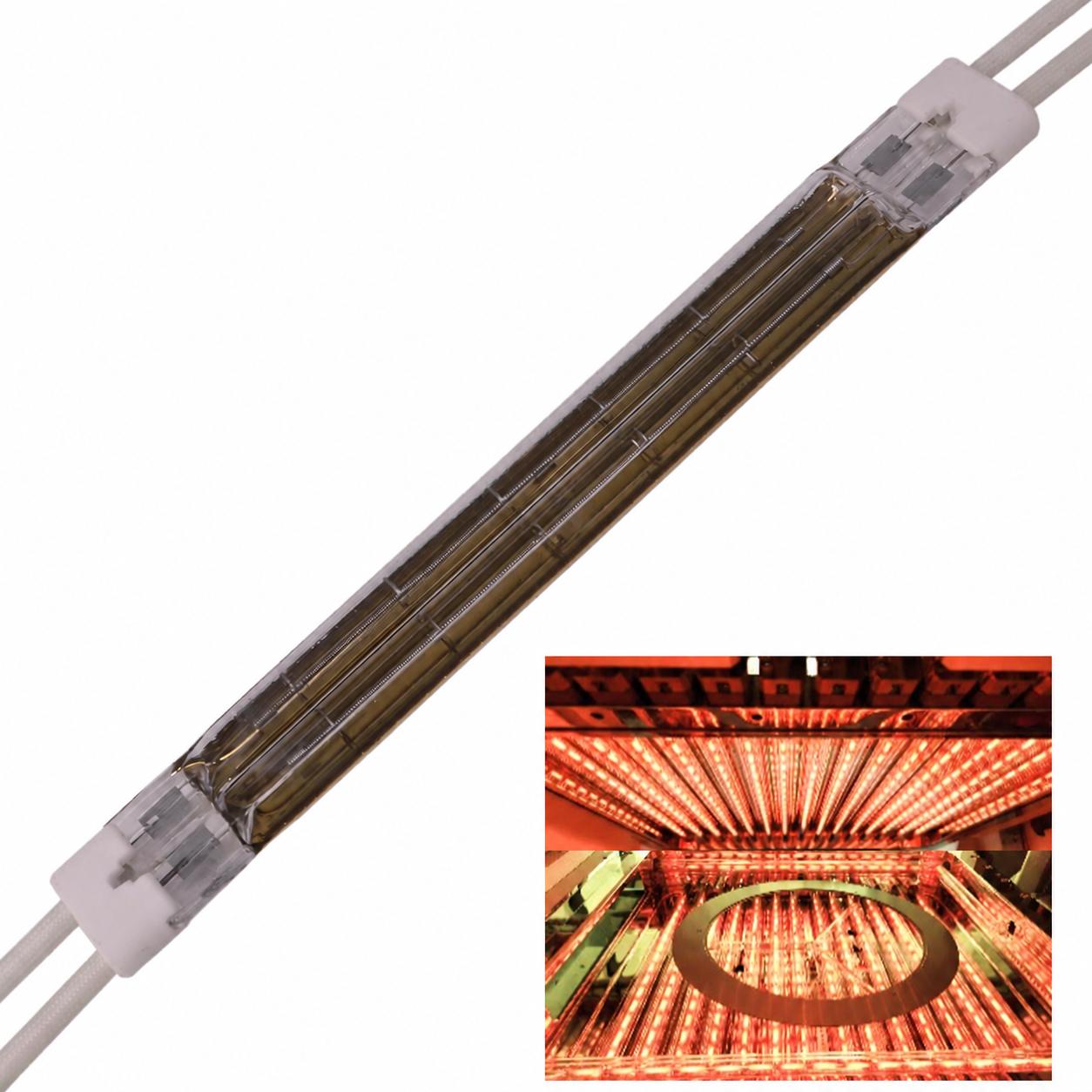
If you walk into an older semiconductor plant, you’ll still see plenty of lines relying on hot air circulation. It’s the old way of doing things. But let’s be honest: forced air is sluggish. You’re basically heating up the entire room just to get the wafer surface warm. It’s a waste of time. Switching to Infrared (IR) emitters changes the whole game. Instead of heating the air, you’re using radiation to hit the target directly. Saving your sanity (and your schedule) The best part? You don’t have to sit around waiting for the chamber to warm up. IR just works. When you’re running high-volume batches, every single second counts. Shaving just a few seconds off a heating cycle might not sound like much, but over a full shift, it clears a massive bottleneck. You get your parts up to temp faster, and your throughput jumps. It’s that simple. The secret is in the ceramic Now, here is where things get tricky. High-wattage IR emitters get incredibly hot—especially at the connection points. If you use standard metal caps, they’ll warp or oxidize after a few cycles. That’s a headache nobody wants. That’s why we use ceramic end caps. Ceramic doesn’t flinch under that kind of heat. It keeps the electrical insulation solid and stops the lamp from burning out at the seal. It just holds up. A few things to keep in mind IR is fast, but it’s picky. Unlike hot air, which wraps around a part like a blanket, IR only hits what it can “see.” If you just slap them in without a plan, you’ll end up with cold spots. If your parts have a weird shape, you’ll need to play around with the angles of the emitters to make sure the heat is even. We designed these to be drop-in replacements for those clunky old convection heaters. But before you swap them out, double-check your power supply. IR emitters pull a different kind of load than blower fans, so make sure your wiring can handle the hit.