Stop Wasting Your Heat: Why Gold-Coated Reflectors Actually Matter
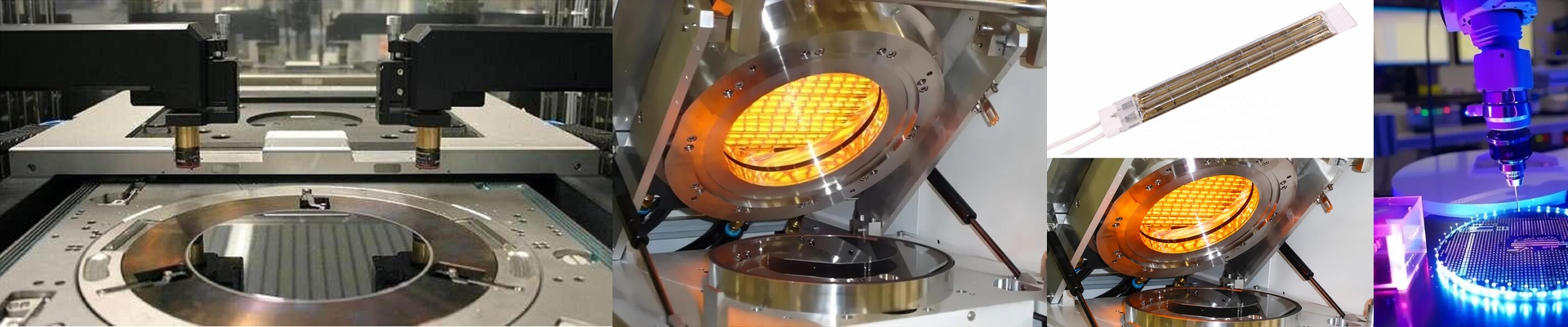
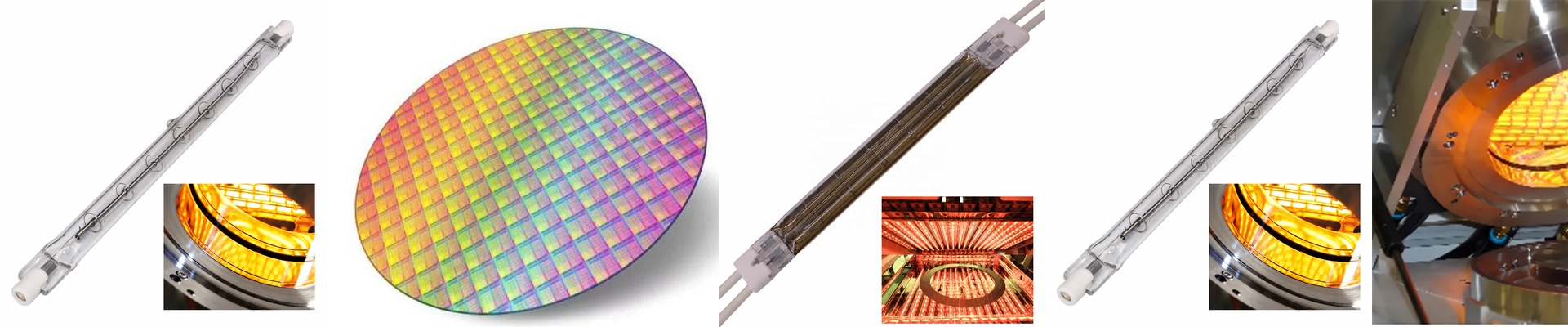
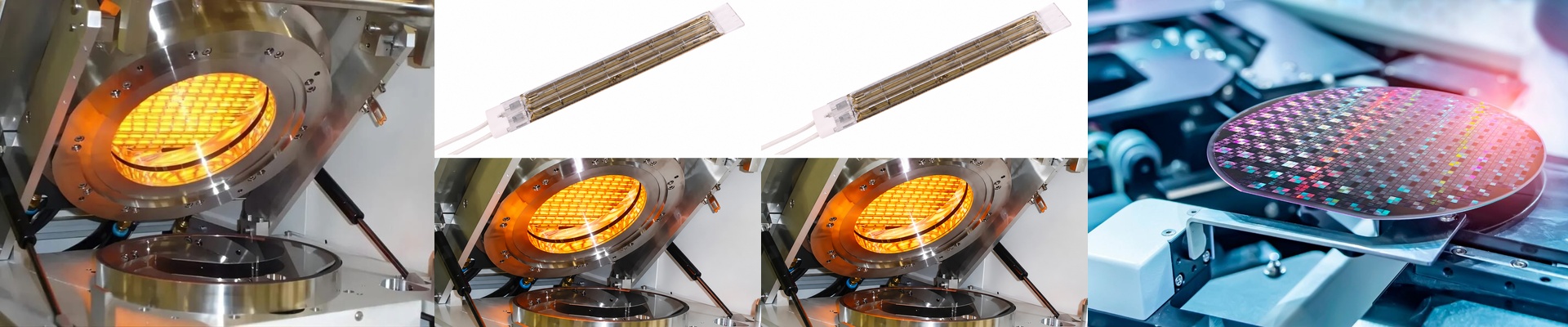
Let’s be honest: wasting power in wafer processing is just bad design. When you’re running high-power IR lamps, a huge chunk of that heat just wanders off in the wrong direction, radiating backward instead of hitting your substrate. It’s like trying to heat a room with the heater pointed at the wall. That’s where gold-coated reflectors come in.
Why Gold?
You might wonder why we don’t just use aluminum. Sure, aluminum is cheaper. But it doesn’t handle long-wave IR with nearly the same precision. Gold is the real deal here. It catches those photons bouncing off the back of the lamp and shoves them forward, right onto the wafer surface. You get more heat exactly where you need it, and you don’t have to crank up the power at the electrical panel to make it happen.
Fixing Those Annoying Cold Spots
It’s not just about the material, though. It’s about the shape. By tweaking the curvature and the thickness of the coating, we can basically steer the beam. This kills off those frustrating cold spots on the wafer. No more thermal gradients, no more warping, and no more uneven doping. You’re just concentrating the energy and putting it to work.
The Trade-offs (Because nothing is perfect)
Now, here is the catch. Gold isn’t cheap. Your upfront costs will go up. And gold is soft. Really soft. If your maintenance crew is reckless during a lamp swap, they can scratch the surface. Once the coating gets pitted or gunked up with process chemicals, your efficiency takes a dive. You’ve got to keep these surfaces clean if you want to keep that heat flux steady.
Making it Work on the Floor
The good news? These are designed to be drop-in replacements for your existing IR heaters. Once you switch to gold optics, you can often dial back the lamp operating temperature and still get the same heat on the wafer. It’s a win-win. Your quartz tubes aren’t under as much stress, and you aren’t swapping out burnt-out lamps nearly as often.