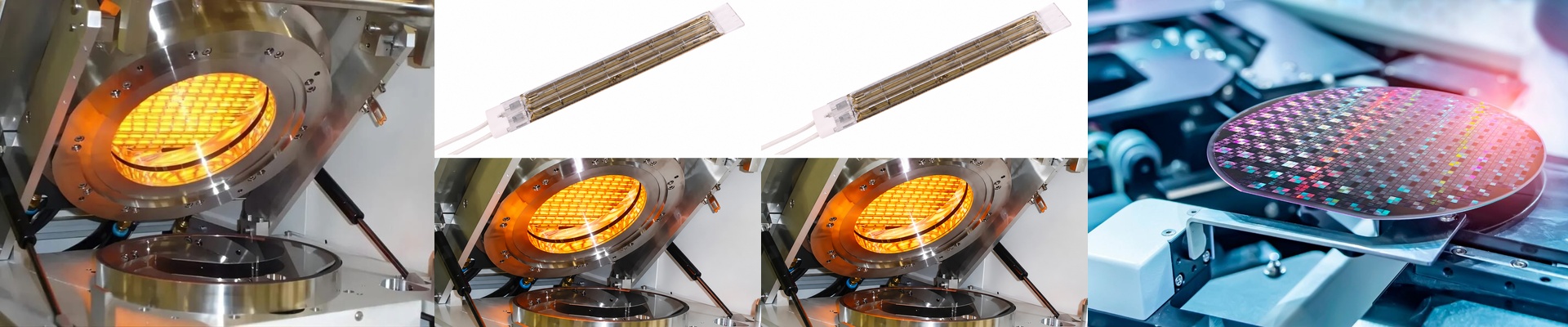
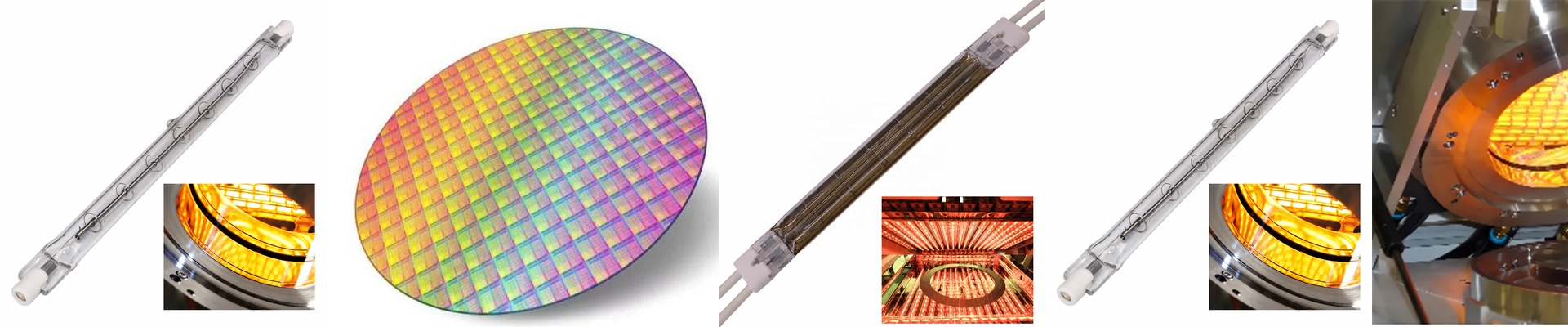

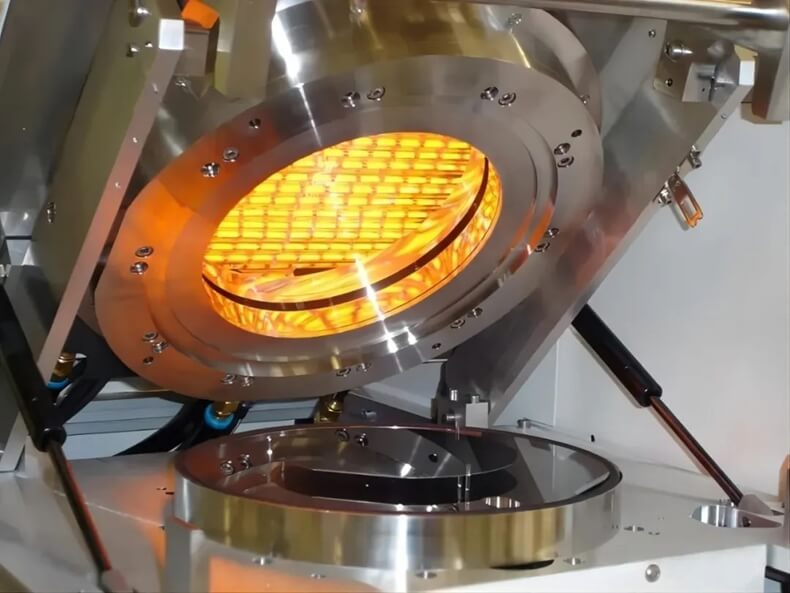
Stop Worrying About Your IR Lamps in Chemical Zones
If you’re fabricating bio-sensors, you know the drill: you need precise IR heating during chemical cleaning. But here’s the problem. When you’re working with flammable or explosive solvents, a standard IR lamp is basically a ticking time bomb. One tiny spark or a hot surface hitting some solvent vapor, and you’ve got a flash fire on your hands. That’s a nightmare nobody wants. So, we stopped using bare quartz tubes and moved to a specialized safety encapsulation. How the shield actually works Think of it as a protective sleeve. We seal the heating elements inside a chemically resistant, explosion-proof shell. This puts a physical wall between the scorching hot filament and the air around it. We use high-grade quartz or specialized glass because it lets the IR wavelengths slide right through without losing much power, but it keeps those nasty volatile fumes exactly where they belong: outside. The seal is where the real magic happens. We use hermetic sealing at the ends of the lamp. If your chemical bath starts off-gassing aggressively, those vapors can’t sneak past the seal to reach the electrical terminals. It just keeps everything quiet and safe. Managing the heat Now, you might think adding a shell means losing power. It doesn’t. We’ve spec’d these lamps to keep a tight thermal profile across your substrate. But, there is a trade-off. The enclosure adds some thermal mass. In plain English? Your ramp-up time will be a bit slower than if you were using a bare bulb. Just keep that in mind when you’re tuning your PID—you’ll want to account for that lag so you don’t accidentally overshoot your target temperature. Getting it onto your floor When you’re actually wiring these things in, pay close attention to the connectors. We use reinforced, sealed leads so nothing leaks at the power entry point. One quick heads-up: the footprint is larger than a standard lamp. Definitely double-check your machine clearances before you hit the order button. Also, take a look at your cooling system. Because the encapsulation traps some heat, it can put a bit of stress on the surrounding housing if your airflow isn’t up to the task. Just make sure your fans are ready for an enclosed design and you’ll be golden.