
Stop Wasting Heat: Why Gold-Coated Reflectors Actually Work
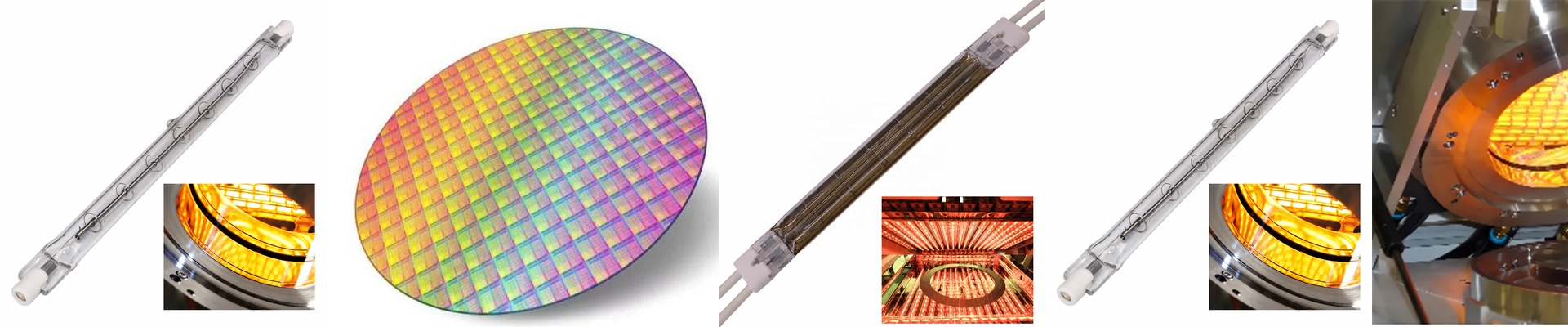
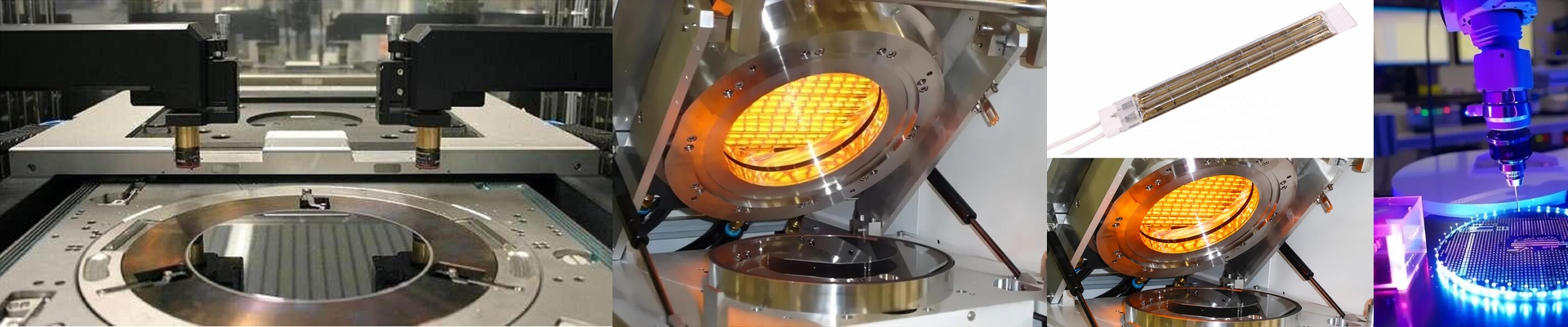
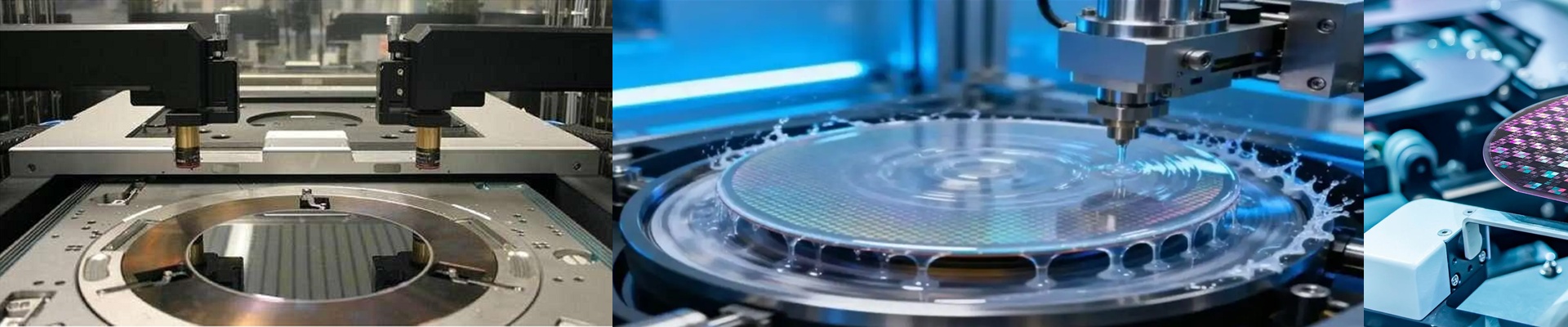
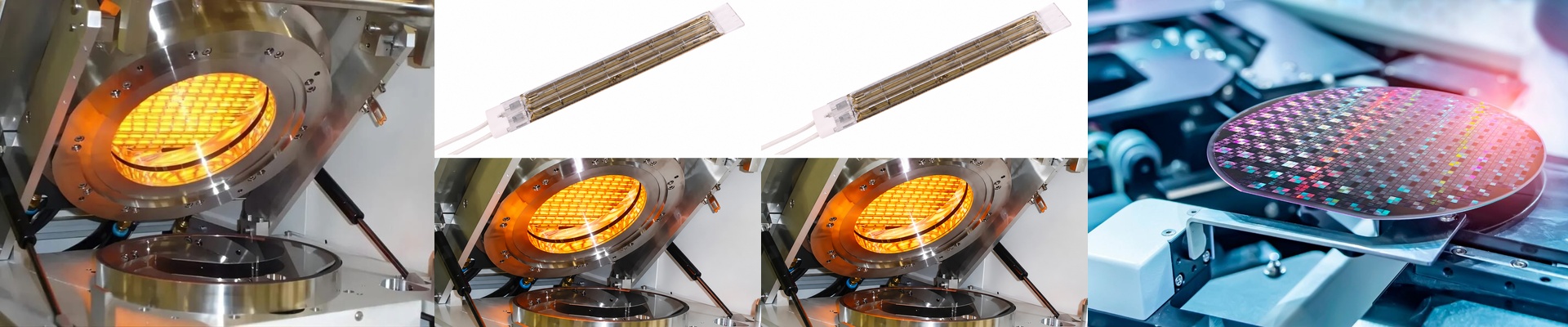
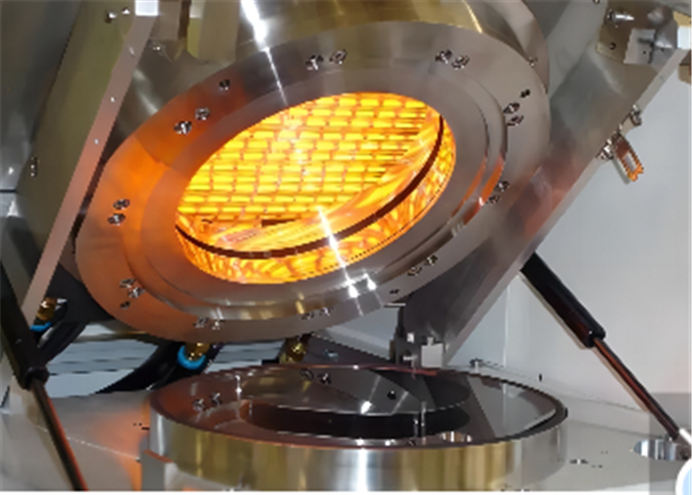
If you’re heating silicon wafers and your energy is leaking everywhere, you’ve got a design problem. Most people stick with standard aluminum reflectors, but here’s the catch: aluminum absorbs too much. You end up heating up the lamp housing instead of the wafer. It’s a waste. That’s why we use gold. The gold difference It’s not about the bling. Gold just happens to be way better at bouncing infrared radiation than aluminum or polished steel. When we put a precise layer of gold on the reflector, the heat doesn’t just wander—it stays focused. You get a tight, concentrated beam of energy hitting the wafer, which means you don’t have to crank the wattage to get the job done. Watching your power budget Putting these lamps into a wafer tool is a balancing act. Because you’re pushing for so much effective radiation, these lamps get hot. Really hot. You’ve got to make sure your cooling system can actually keep up with the heat that doesn’t hit the target. If your airflow is sluggish, you’re looking at a disaster—overheated lamp ends or fried electrical connectors. Keeping the air clean In a cleanroom, ozone is the enemy. It’s a contaminant you just can’t have. We’ve tweaked the quartz and the filament chemistry to stop ozone from forming in the first place. It keeps your process gas pure and stops that annoying, unplanned oxidation from messing up your wafer surface. The trade-offs (Because nothing is perfect) Gold gives you the best energy return, but it’s soft. Please, for the love of your equipment,**do not scrub these with abrasive pads.**You’ll scratch the surface, ruin the focal point, and kill your efficiency. Stick to a non-contact cleaning routine to keep them shiny and effective. And one last thing: alignment is everything. If the lamp is tilted even a tiny bit, your hot spot shifts. Suddenly, you’ve got uneven heating across the wafer, and you’re back to square one.