Getting Infrared Curing Right in Bio-Sensors and Chips
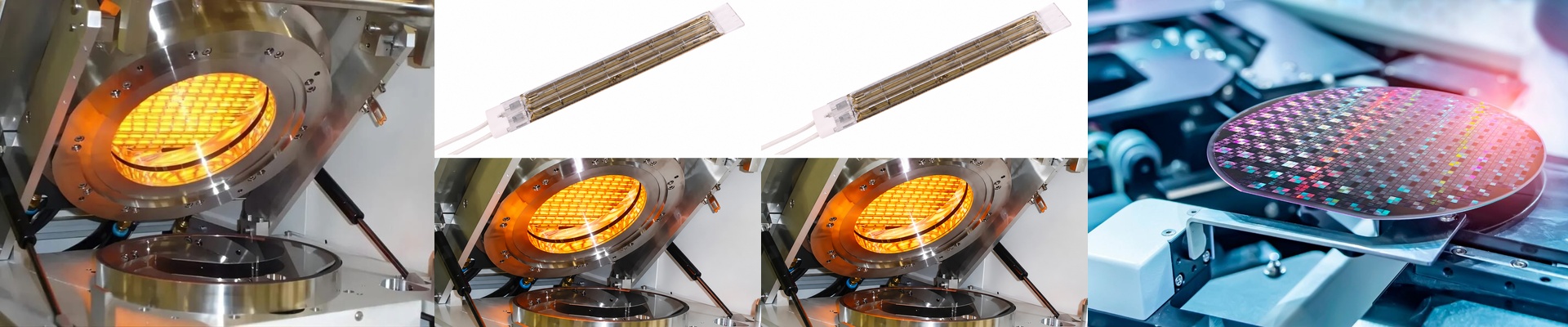
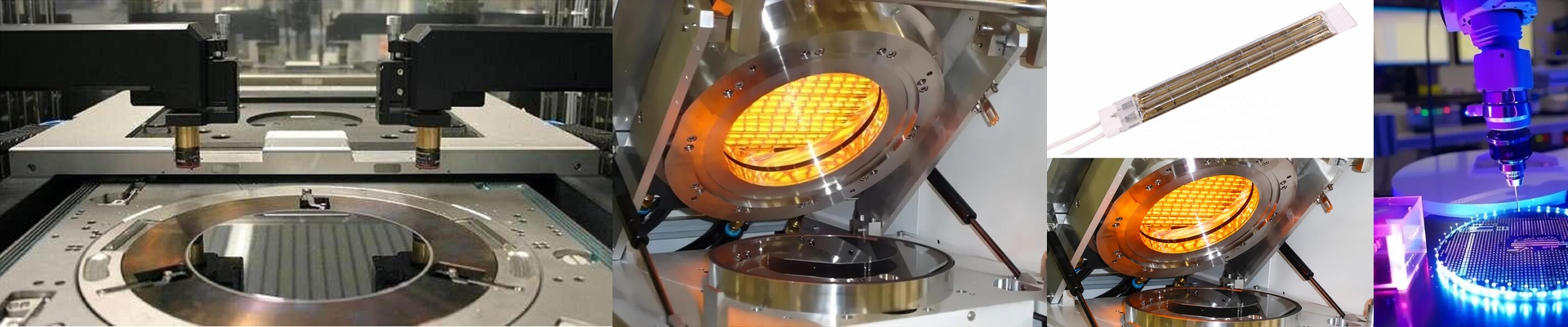
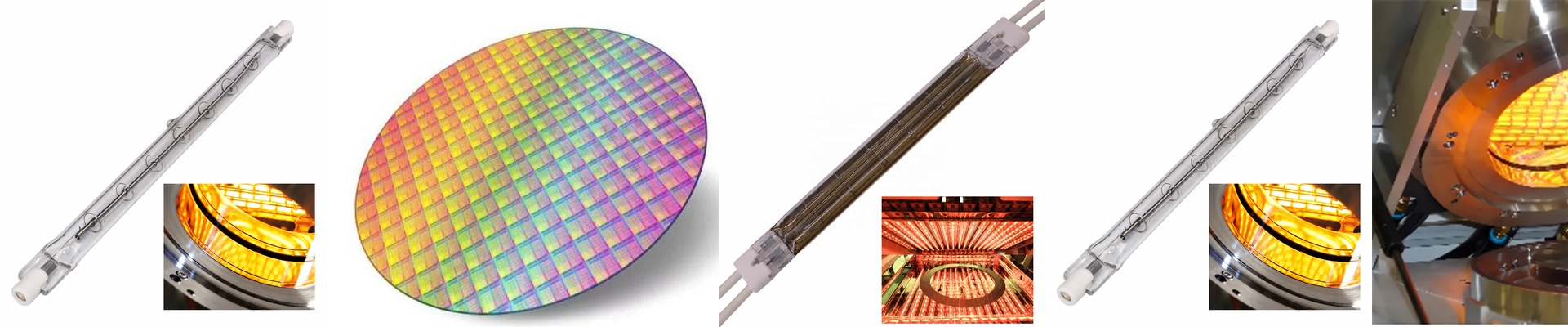
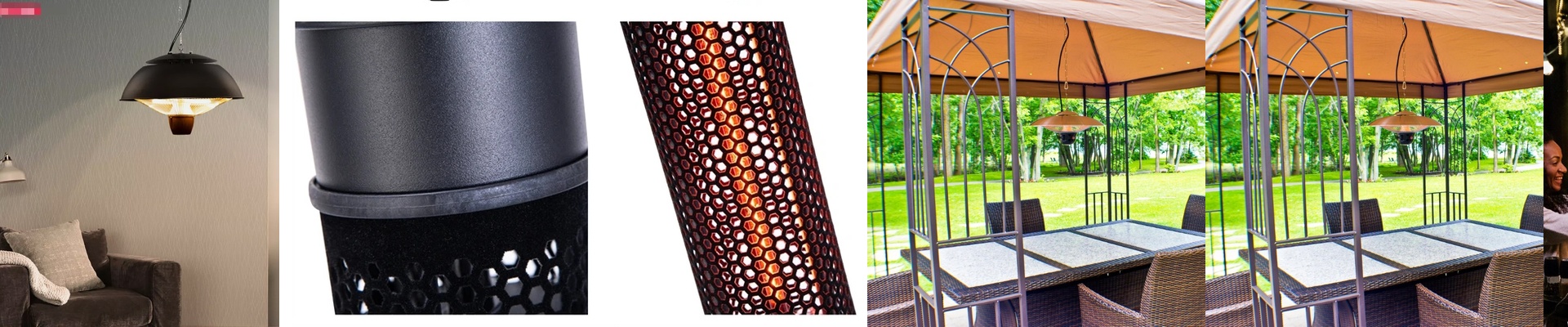
When you’re building bio-sensors, you’ve got a tricky problem: you need to cure your adhesives and polymers, but you can’t just blast them with heat and hope for the best. You have to be precise. You can’t have gunk or contaminants getting on the substrate. That’s why we use short-wave infrared (IR) lamps. Think of it like the sun on your skin. You don’t need the air around you to be 100 degrees to feel the heat; the energy hits you directly. It’s the same here. We skip the whole “heating up the room” phase that traditional convection ovens rely on and send the energy straight into the material.
Cutting the Waste (and the Heat)
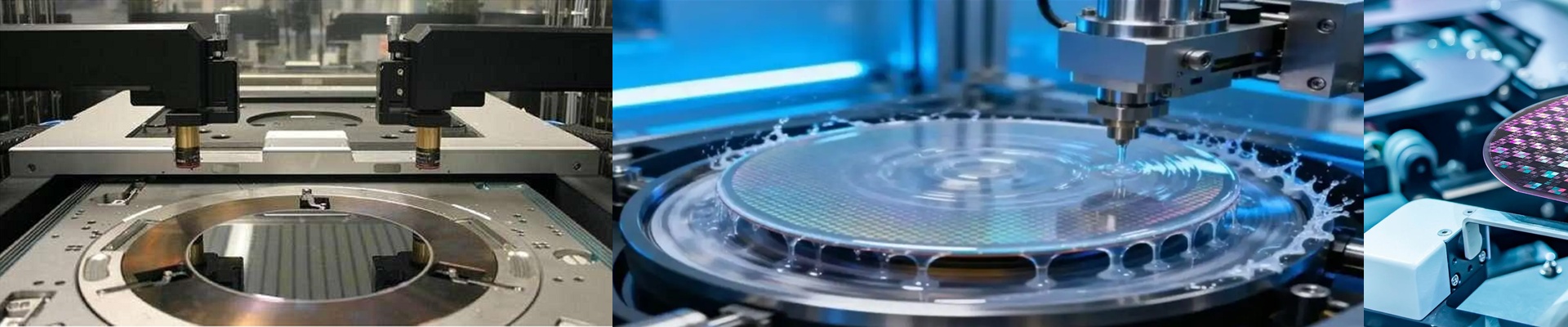
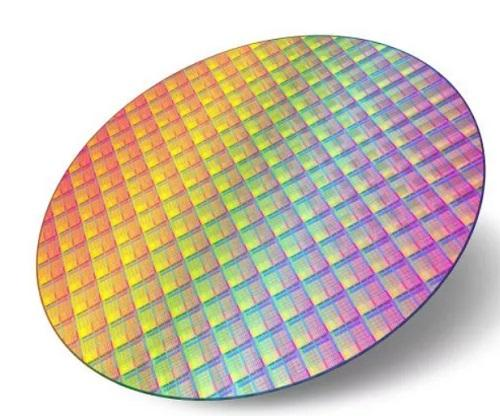
The industry has been pushing for “green” and lead-free standards for a while now. It’s not just about being eco-friendly; it’s about stopping the waste. Old-school drying—using gas furnaces or those massive electric coils—is a nightmare for cleanrooms. They leak heat everywhere. It makes the room stuffy and wastes a ton of power. IR lamps are different. They target the specific parts of the sensor material that actually need the heat. And the best part?They’re instant. No more waiting around for a furnace to warm up. You flip a switch, and you’re ready to go. This keeps your energy bills down and, more importantly, it stops your wafers from warping or your sensors from shifting out of place because they weren’t stressed by uneven heat.
The “Gotchas” of IR Integration
Now, it’s not all plug-and-play. There are a few things that can bite you if you aren’t careful. First, these lamps are power-hungry. High-wattage IR tubes pull a lot of current. If your power supply isn’t built for that initial peak load when you start up, you’re going to be tripping breakers or, worse, smelling burnt wiring. Then there’s the reflection. Even though the process is efficient, that radiant heat has to go somewhere. The chassis around your curing zone is going to take a beating. If you don’t use proper shielding or some active cooling on the housing, you’ll end up overheating the rest of your gear.
Why It Just Works
One of the biggest wins here is getting rid of solvent-based drying. No more worrying about VOCs or breathing in fumes. It’s a dry process. Simple. It makes those global environmental audits a breeze because there’s nothing toxic to report. You just drop these lamps into your line, hook them up to a PID controller, and you get a cure cycle that actually repeats the same way every single time. It just takes the guesswork out of the equation.