


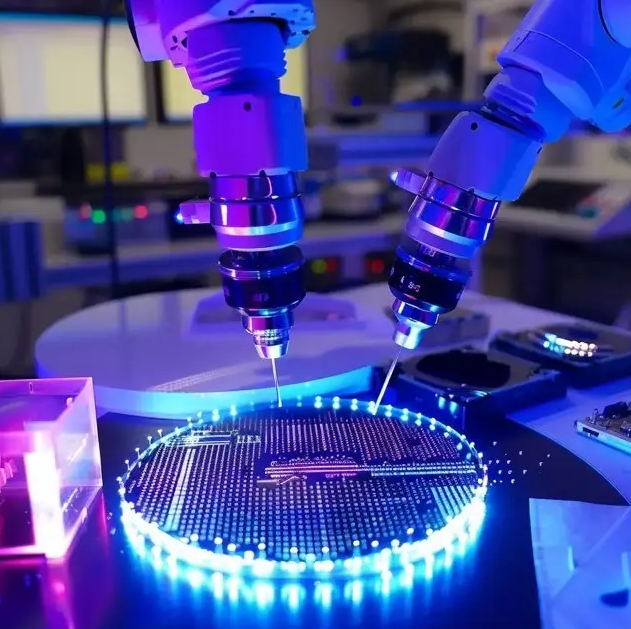
Why we use Infrared Curing for Biosensors
When you’re building biosensors, you’re walking a tightrope. You need enough heat to cure your polymers and glues, but if you go overboard, you’ll fry the biological parts of the sensor. It’s a delicate balance. That’s why we stick with infrared (IR) lamps. Instead of blowing hot air around—which is how most ovens work—IR uses radiation. It’s a cleaner way to do things. Plus, it means we can ditch the nasty chemical catalysts and solvent carriers that usually get flagged during environmental audits. The physics of it is actually pretty cool. IR lamps don’t waste time heating up the air in a big metal box. They go straight for the molecular vibrations in the coating. It’s almost instant. Because we’re targeting the substrate and not the entire room, we aren’t burning electricity for nothing. It makes the whole drying stage a lot leaner and way better for the planet. Keeping it green (and lead-free) In the old days, people used lead-based stabilizers or chemical accelerators just to get things to cure at lower temperatures. It was a shortcut, but it was messy. With IR, we can hit those peak temperatures fast enough to trigger polymerization without needing any of those additives. No toxic fumes. No VOCs. Just a clean, straightforward process. The tricky part Now, it’s not all plug-and-play. You have to be careful with the heat flux. If you blast it too hard right away, you get “skinning.” That’s when the top layer hardens instantly and traps wet solvents underneath. Not a good look. To fix this, we use a multi-stage ramp-up. We start low, let the material settle, and then crank up the heat. The real secret sauce, though, is the wavelength. You have to match the lamp’s wavelength to the material’s absorption spectrum. If you get this wrong, the energy just bounces off the wafer. You end up wasting power and heating up the machine frame instead of the sensor. We spend a lot of time calibrating these lamps to make sure the energy actually gets deep into the bio-layer. It’s the only way to keep the process efficient and keep the regulators happy.