

Getting Your Fab Rinse Process Right with Waterproof IR
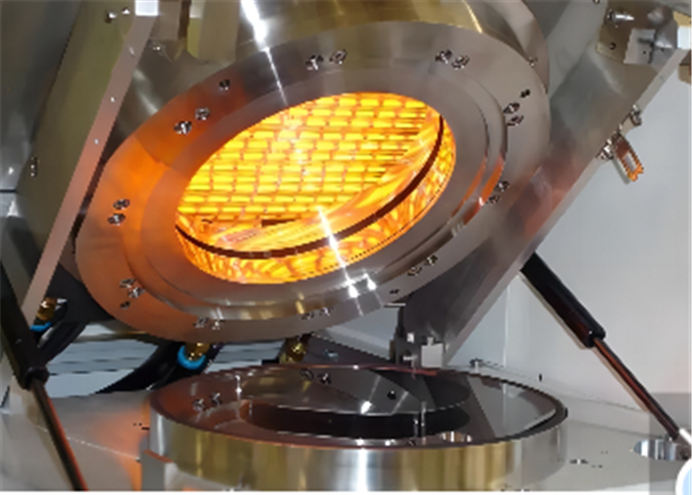
If you’ve spent any time in a Fab, you know the rinse stage is a headache. You’re fighting a constant battle against contamination and trying to get things dry as fast as humanly possible. That’s where waterproof infrared (IR) lamps come in. Instead of waiting around for a convection oven to slowly warm up the air, these lamps hit your wafers or substrates with direct radiant heat. It strips the moisture away almost instantly. And because they’re built for high-moisture zones, you don’t have to worry about them shorting out the second things get steamy. Let’s talk power. We’re all trying to save space these days. By using high-wattage lamps, you can shrink your heating footprint and hit your target temperatures way faster. It cuts your cycle time down significantly. Just a heads-up: these high-density lamps pull a lot of juice. Make sure your electrical panels are actually spec’d for that amperage draw, or you’ll be spending your afternoon resetting tripped breakers. We usually hook these up to digital controllers so you can tweak the wattage on the fly. Why the waterproofing actually matters Standard IR lamps just don’t last in a rinse zone. Between the steam and the random splashes, they tend to burn out fast. We fixed that by using sealed quartz envelopes and waterproof terminals. It keeps the moisture away from the electrodes, which means the lamps actually last. The best part? These are designed as drop-in replacements. You can swap out your old heating elements without having to tear apart your entire chassis and redesign everything from scratch. Making it “Smart” (without the fluff) A smart Fab isn’t just a buzzword; it’s about knowing when something is about to break before it actually does. By wiring these systems into your PLC, you can keep an eye on power consumption and lamp wear. When a lamp starts to lose its punch, the system flags it. No more guessing games or “hope it lasts until Friday” maintenance. You just fix it when the data tells you to. One last thing: even though the lamps are waterproof, the housing still needs to breathe. Make sure you’ve got proper ventilation going, otherwise, you’ll get heat soak that can fry your nearby sensors.