

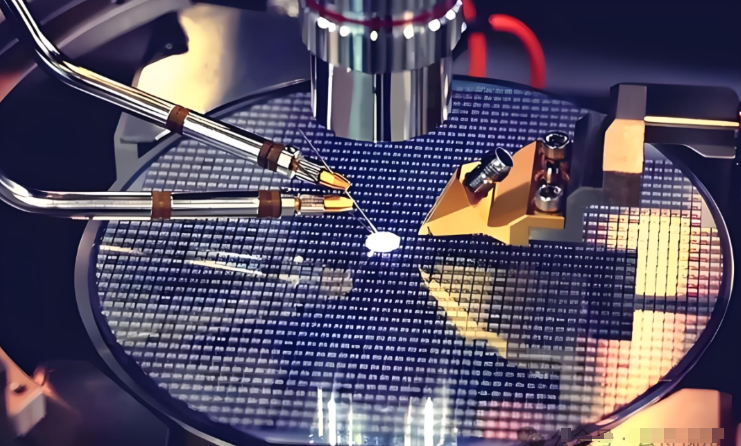
On the fab floor, the scheduler doesn’t hit pause when a lamp fails. Annealing steps—soft bake, hard bake, and post-exposure bake—run on a fixed thermal budget. If the heat source drifts or dies, the lot is on the line: photoresist profile shifts, critical dimension excursions, and straight-up scrap.
What Matters Technically
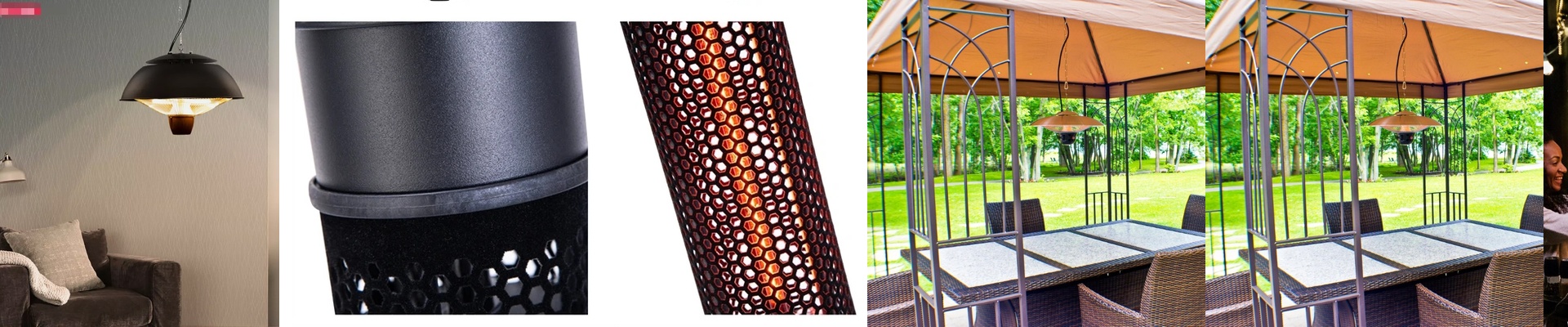
We built the semiconductor annealing infrared lamp around a short-wave infrared emitter in a quartz envelope. It’s the choice when you need fast response and stable spectral output, cycle after thermal cycle. The target is wafer-level thermal uniformity of ±0.1°C, hit by a calibrated lamp array and closed-loop temperature control that holds setpoint without overshoot. It’s rated for Class 1–100 cleanroom operation, and the materials and fixtures are picked to keep particle generation low. The emitter is spec’d for long life—5,000+ hours continuous, with less than 5% output degradation. The whole assembly is engineered to keep repeatability consistent, run-to-run and tool-to-tool.
Why It Works Here
In lithography and resist processing, bake temperature drives solvent removal, glass transition, and etch selectivity. This lamp hits the thermal profile you need for consistent soft bake and hard bake, without hot spots or edge cool-down. That means fewer reworks, tighter process windows, and yield you can plan around. In high-volume lines that never stop, the reliability expectation is zero unplanned downtime. We built the lamp to meet that, so your schedule stays on the lot, not on the maintenance calendar. Energy use is trimmed by fast ramp-to-setpoint behavior—less standby power, without sacrificing thermal stability during the bake.
Things to Know
Installation comes down to matching the lamp array to the chamber geometry and making sure the power supply and connector interface line up with the tool spec. The lamp runs hot, so verify shielding, interlocks, and cooling before qualification. Plan the initial calibration for each bake recipe to lock in the uniformity curve. After that, the system stays repeatable with minimal recalibration.