

Why Most Bathroom Heaters Die (And How We Fixed Ours)
Let’s be honest: bathrooms are a nightmare for electronics. You’ve got thick steam, random splashes of water, and those wild temperature swings when you jump out of a hot shower. It’s a recipe for disaster. Most heaters just can’t take it; the filaments burn out or the casing starts to rust, and suddenly you’re shivering in a cold room again. We got tired of seeing these things fail, so we rebuilt ours to actually survive the environment.
Keeping the Water Out
Here is the problem: when water droplets hit a hot quartz tube, they create these tiny “cold spots.” The glass expands and shrinks unevenly, which eventually leads to cracks or a snapped filament. It’s basic physics, but it’s why so many heaters quit on you. To stop this, we sealed the whole chassis. We focused specifically on the spot where the wiring meets the lamp—that’s usually where the trouble starts. By using reinforced seals and silicone gaskets, we keep the moisture away from the circuitry. No seepage means no short circuits. It’s the difference between a heater that lasts a year and one that actually stays in your wall.
The Right Stuff
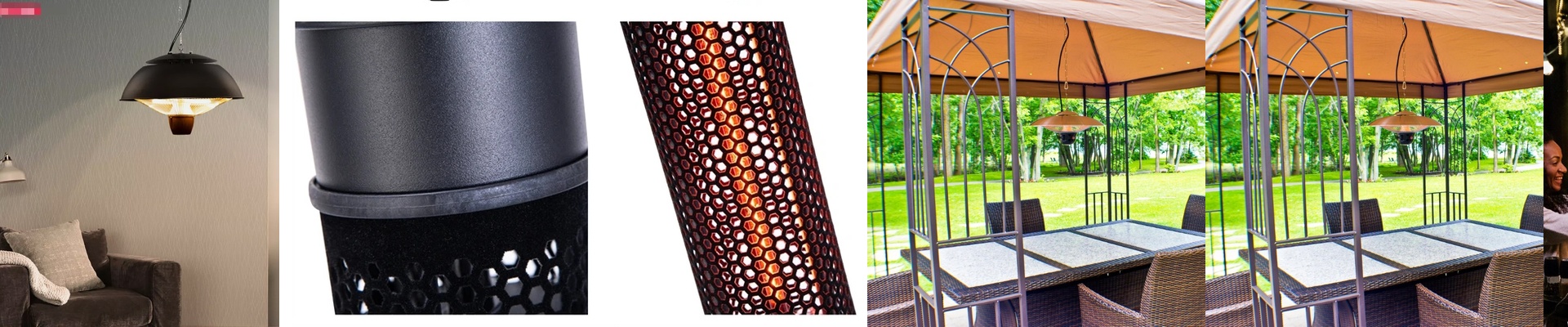
We went with high-purity quartz glass for the heating element because it handles intense heat without breaking a sweat. You get that instant warmth the second you flip the switch. We also picked casing materials that don’t let condensation build up and fog over. One quick tip, though: make sure your bathroom fan actually works. Even with all our protection, if you’re living in a total steam room with zero airflow, that moisture will eventually eat away at any finish.
Built to Last, Not to be Replaced
When you keep the electrical parts dry, you avoid that nasty “green crust” (oxidation) that grows on connectors over time. This is a big deal because it keeps the electrical resistance stable. When the resistance is steady, the lamp doesn’t overdraw power, which means it doesn’t burn itself out prematurely. We didn’t want to make another disposable gadget that you throw in a landfill after eighteen months. We wanted to build a piece of hardware that just works. You get a heater that lasts longer, and we get fewer phone calls about repairs. Everyone wins.