

Why We’re Obsessive About Our IR Lamp Safety
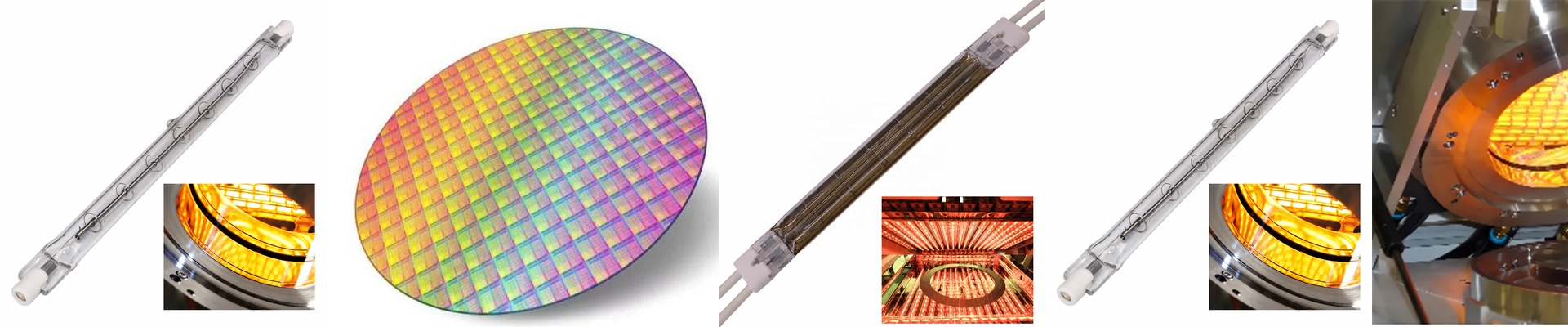
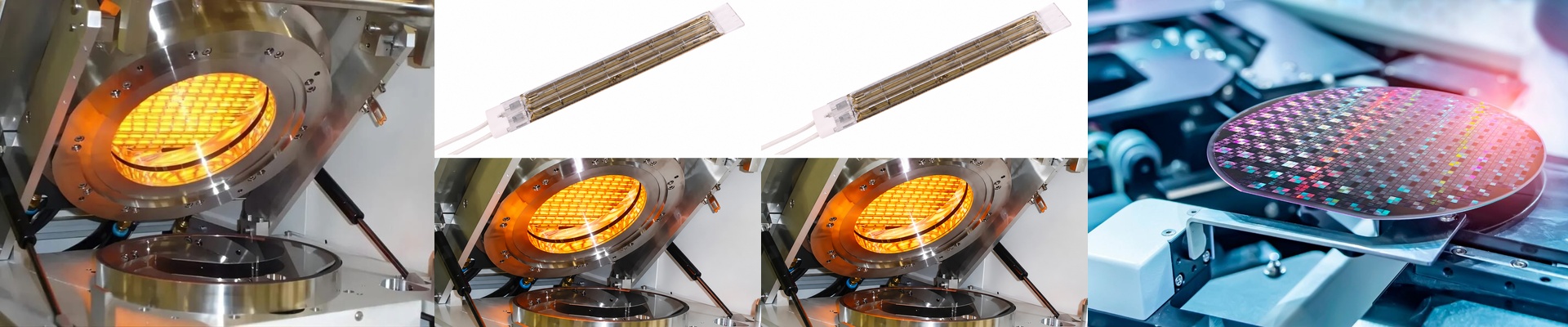
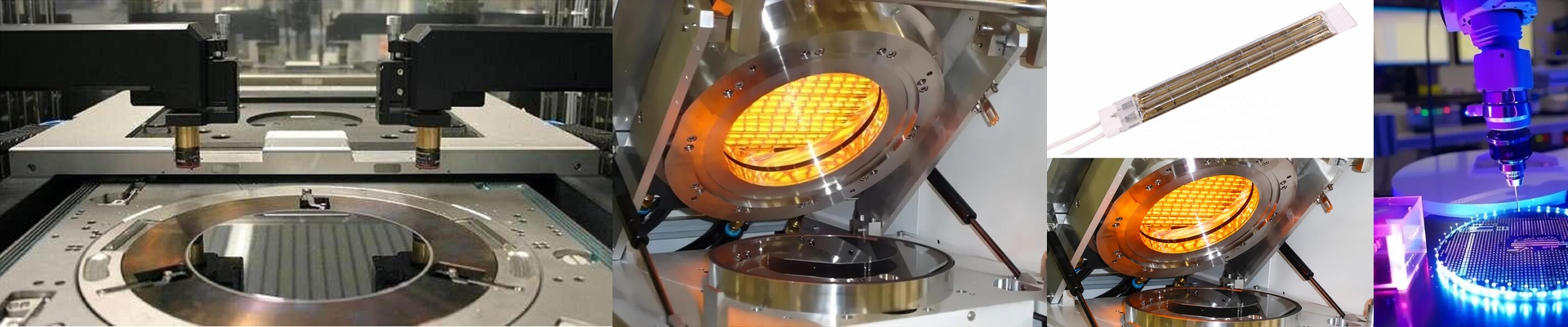
If you’re building bio-sensors, you know that thermal profiles have to be spot on. There’s no room for “close enough.” A tiny voltage leak or a flaky piece of insulation in an infrared lamp isn’t just a nuisance. It can wipe out an entire batch of sensitive substrates or, worse, short out your whole fabrication chamber. That’s a nightmare nobody wants to deal with on a Tuesday afternoon. That’s why we don’t do “random checks.” We test the dielectric strength and insulation of every single tube before it ever leaves our shop. Every. Single. One. The truth about our testing We use high-voltage hipot tests to make sure the quartz envelope is solid and the electrode seals are tight. Basically, we push the insulation to its limit. We want to see if any current leaks through the glass or the mounting ends while it’s with us, not after you’ve installed it. If a tube leaks even a tiny bit more than our specs allow? It goes in the trash. It’s the only way to make sure that when you hook these up to your high-voltage power supplies, nothing goes boom. Fighting heat and voltage High-wattage IR lamps get incredibly hot—especially when you’re drying or curing bio-sensors. That kind of heat puts a massive amount of stress on insulation. To handle this, we use high-purity quartz. It keeps the dielectric constant stable even when things get scorching. You get the heat you need without worrying about the lamp accidentally becoming a conductive path. The trade-off Here’s the thing: testing every single lamp takes time. It’s slower than just sampling a few pieces from a batch. But it’s worth it. It means when you get a replacement lamp and drop it into your machine, you aren’t worrying about blowing a fuse or frying an expensive control board. Just a heads-up: make sure your system’s grounding is set up to match these insulation levels. If it’s not, you might see some noise creep into your sensor readings during fabrication. To make things easier, we send over the test reports. You can just check the safety margins against your own machine’s electrical footprint and breathe easy.