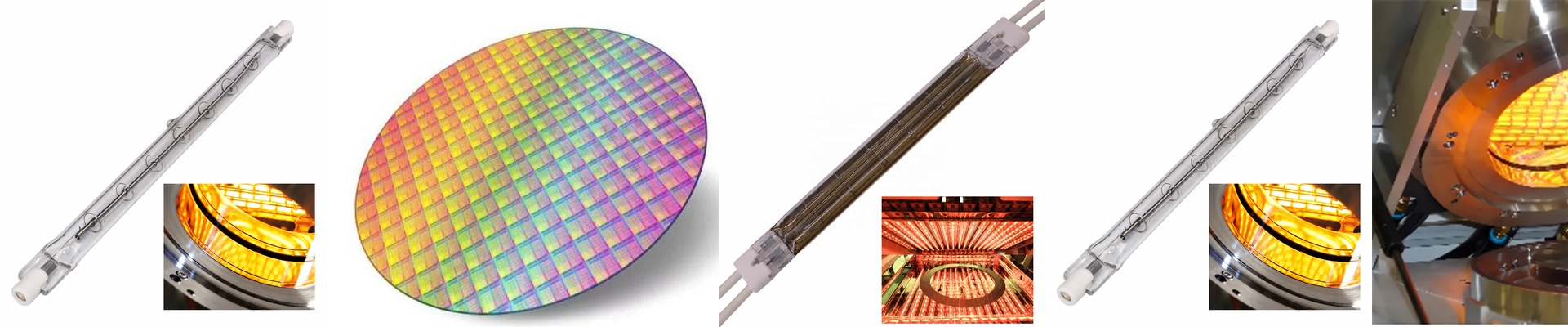
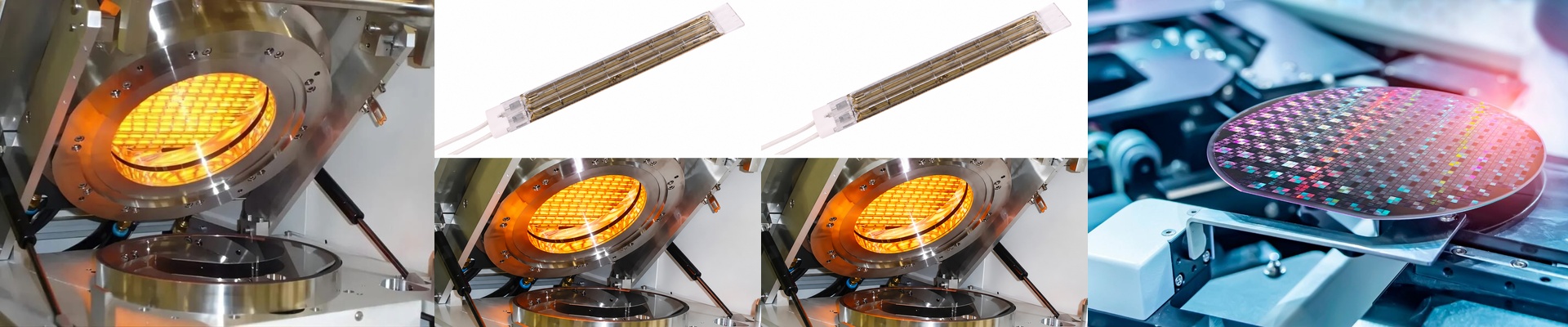
Getting More Heat onto Your Bio-Sensor Wafers (Without Wasting Power)
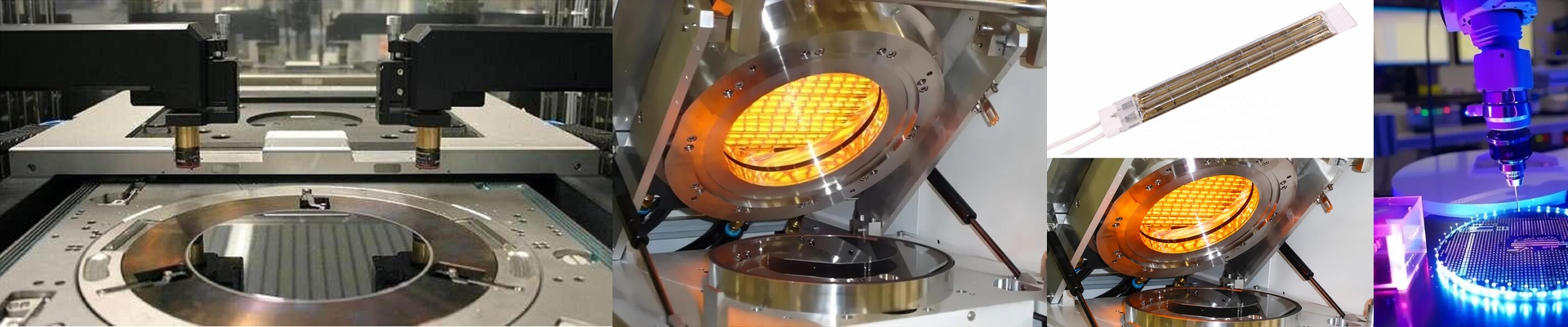
When you’re building bio-sensors, you run into a frustrating physics problem: how do you get heat onto a wafer without just throwing electricity down the drain? Most infrared lamps are inefficient. They blast energy in every direction—360 degrees. In a typical curing or thin-film setup, half that heat hits the lamp housing instead of your substrate. It’s a waste. We fixed this by putting high-purity gold coatings inside the reflector assembly. Why gold? Sure, aluminum is cheaper. But it doesn’t cut it for the specific wavelengths needed for precise bio-sensor curing. Gold is the real deal for long-wave and mid-wave IR. We use a vacuum-deposition process to lay down a gold layer that bounces up to 98% of that IR energy right back toward the wafer. It’s like using a mirror instead of a matte wall. You get way more watts per square centimeter on the target without actually cranking up the power bill. The battle for a flat thermal profile Nobody wants “hot spots.” If the heat is too intense near the filament, you’re asking for trouble. We’ve spent a lot of time tweaking the geometry of the reflector. The goal is to make sure the IR energy hits the wafer at a perpendicular angle. When you get that right, you stop the edges from losing heat and, more importantly, you keep the substrate from warping. It just stays flat. The trade-off (The part you need to watch) Here’s the catch. When you concentrate this much radiation into a small space, the lamp tube gets hot. Really hot. You can’t just slide these into a standard housing and hope for the best. Your cooling system has to be up to the task. If the air isn’t moving, the heat builds up around the lamp ends and burns out the electrodes. Worse, the gold coating itself can start to degrade from the thermal stress. Keep your vents clear. Keep your sensors calibrated. Do that, and your tubes will actually last.