



Commercial property owners run into the same winter problem: keeping outdoor spaces usable without sending energy bills and carbon reporting the wrong way. When guests or tenants step onto a patio, courtyard, or entrance, they just want comfort—not a blast of hot air that costs a fortune to produce.
What matters under the hood
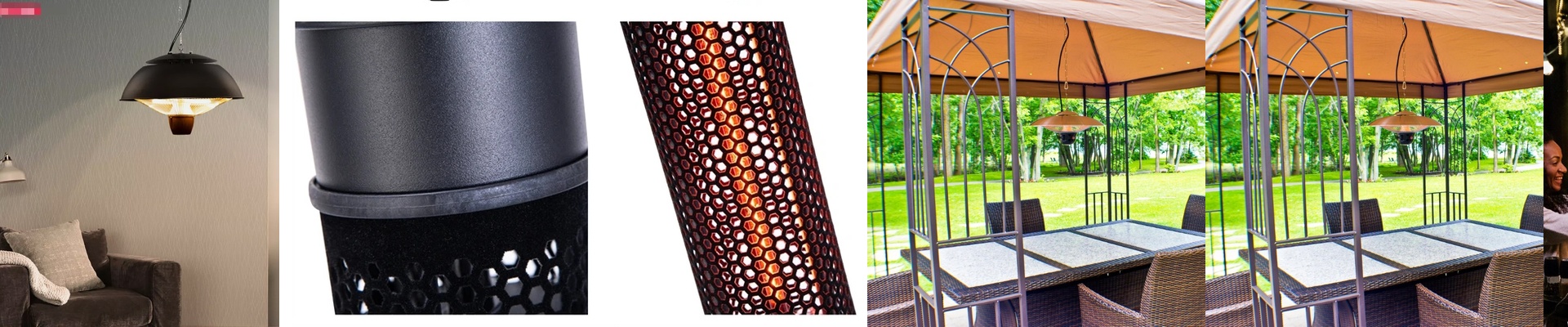
We use an electric infrared patio heater because radiant heat travels outward at the speed of light and lands directly on people and surfaces. The heart of it is a carbon fiber heating element paired with a high-transmission quartz tube—built for fast warm-up and steady output. In real life, you feel the heat within seconds, not minutes. The unit is engineered for outdoor duty. An IP rating keeps rain and dust out, and tip-over protection keeps it stable. A built-in thermostat helps hold a set comfort level, so the heater isn’t running flat-out when the air is mild.
Why this approach fits commercial real estate
Infrared warmth directly supports sustainability goals because it doesn’t waste energy trying to heat a whole volume of air. Outdoor heating becomes targeted—right where people are—and far more efficient. That efficiency shows up as lower overall energy use across common areas, which can trim operating costs and improve ESG metrics. Beyond the numbers, tenants and guests feel comfortable immediately. Warm hands and faces keep people lingering longer, boost satisfaction, and support retention—things that help asset performance as much as any upgrade.
Practical notes from the field
Infrared patio heaters deliver comfort when they’re in the right line of sight: close enough to reach people, but not so close anyone feels blasted. Installation is straightforward, but placement matters. Aim for even coverage, avoid obstructions, and make sure the power supply matches the heater’s voltage and connector. Infrared warmth feels natural under open skies, but wind can strip heat away from the skin. In breezy spots, add wind shielding or space the units a bit tighter to keep comfort consistent.