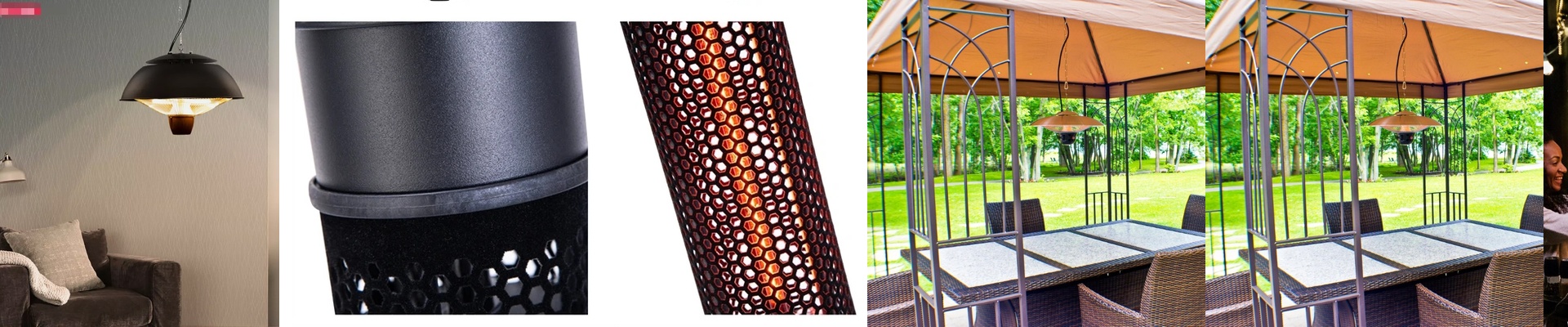


In a gallery or museum, the wrong kind of heat is a liability. Drafts, hot spots, and bone-dry air can make canvases shift, stress wood joinery, and dull delicate pigments. We built our infrared electric heaters to keep the people who protect these collections warm—without putting the collection itself at risk.
What matters, technically
Infrared warmth works the way sunlight does: radiant heat that warms people and surfaces directly, not the air between. Our units run on carbon fiber or quartz elements, tuned for clean, even output, paired with low-glare lamps and thermostats that give you real control. The result is steady heat with minimal air movement—so dust stays put and humidity doesn’t swing hard.
Why this approach fits
Galleries and museums have to prioritize protection, comfort comes second. Infrared heaters avoid the airflow that stirs up dust and the drying blast that can pull moisture out of organic materials. The heat lands where it’s needed—near visitors and staff—while walls, frames, and display cases stay much closer to their baseline conditions. That translates to fewer micro-shifts, less conservation work, and a quieter, more stable environment.
What you need to get right
Installation is straightforward, but spacing is where people cut corners—don’t. Keep clearances from sensitive materials, and match the heater to the room size and ceiling height so coverage stays even. Infrared heats people directly, so the air can feel cooler than what you get with convection. Set the thermostat for comfort, not for a high-heat number. For the best results, plan the placement with a pro, and build in humidity monitoring plus smoke-free power protection.