

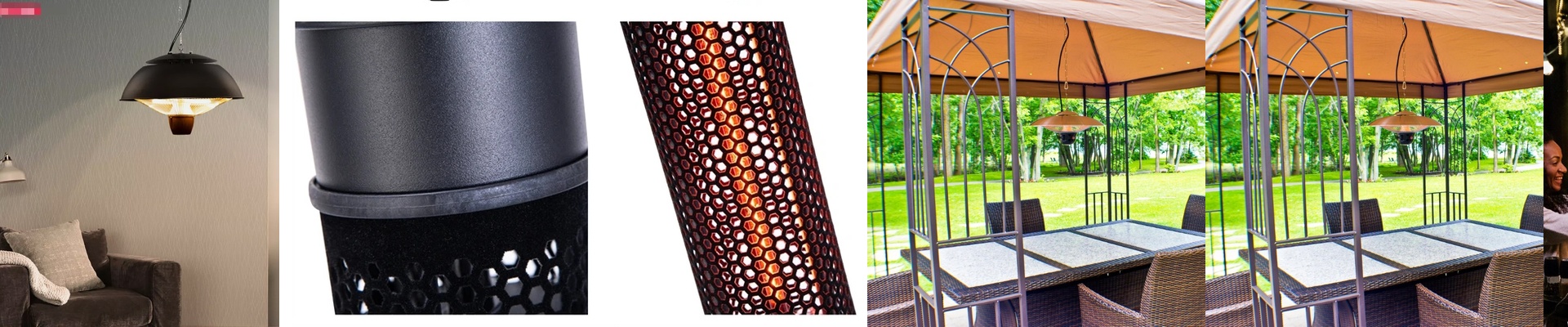


Winter hits the bathroom hard. Tile floors turn icy underfoot, towels stay damp, and the air just sits there—cold and heavy. Waiting for a heater to warm up isn’t just a hassle. It can leave you shivering through every morning and night. That’s where a CE-certified infrared heating lamp earns its keep. Flip the switch, and you get warmth almost instantly.
What’s actually under the hood
We run short-wave infrared with a quartz tube and a high-efficiency halogen element. The heat is radiant—traveling at light speed to warm people and surfaces directly, not the air around them. In practice, you feel heat within seconds of turning the unit on. No long preheat. No cycling delays. It’s built for bathroom duty, too: sealed construction and a protective guard help it stand up to splash and humidity. The CE marking confirms it meets European safety requirements for electric heating appliances, so you have a clear baseline for compliance on residential installs.
Why this approach makes sense in a bathroom
A bathroom is small, wet, and you need comfort fast. Infrared warmth goes straight for the coldest parts—your shoulders, your feet, and that chilled layer near the floor—so you step out of the shower into a gentle envelope of heat. Because the heat is directional, the room can feel cozy without trying to force the air temperature through the roof. That usually means less waiting, fewer drafts, and a more consistent comfort level. Around the house, it also helps towels dry faster and cuts that damp chill that makes winter mornings miserable.
The practical details you need
This is an electric radiant heater, so it needs a stable power supply. Install it away from direct water contact—ideally at a safe height and out of shower spray. It’s designed for indoor bathroom use, but it’s not a replacement for a full bathroom heater with a fan or steam function. For best results, pair it with proper insulation and ventilation.