




Making Your Workshop Warm Without the Headache
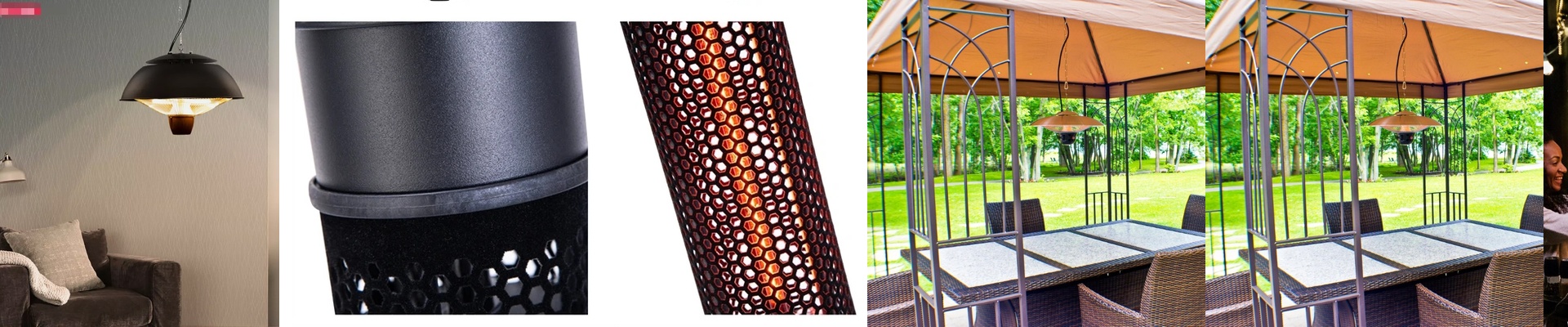
If you’ve ever stepped into a freezing workshop in January, you know the struggle. You turn on the heat, wait an hour, and the air at the ceiling is toast while your toes are still numb. That’s why I’m a fan of ceiling-mounted infrared heaters. Instead of trying to warm up every cubic inch of air in the room, these things beam heat straight down onto you and your tools. It’s like stepping into a patch of sunlight on a cold day.
The Magic of Instant Warmth
The best part? It’s fast. Really fast. Since these heaters don’t have to fight the laws of thermodynamics to warm up the whole room, they hit the right temperature almost the second you flip the switch. By hooking them up to smart relays or a basic control module, you can get them running with one tap on your phone before you even walk through the door. No more shivering while you wait for the “system” to kick in.
Getting the Tech Right
Here is the trick: don’t put your temperature sensors on the ceiling. That’s a rookie mistake. The heat gathers up there, so the sensor thinks the room is a sauna while you’re still wearing a parka at your workbench. Put the sensors atworking height. You can use a smart controller to handle the power—either clicking on and off or pulsing the heat to keep things steady. You can run the whole show from an app or a wall panel. Just a heads-up on the electrics: these things pull a lot of power. If you’re installing a row of 2kW heaters, make sure your breakers can handle the initial surge. You don’t want the power cutting out the moment you try to warm up the whole shop.
The Reality Check
Now, smart tech is great, but it isn’t perfect. If your Wi-Fi goes down or the gateway glitches, you’re suddenly locked out of your fancy app. That’s why I always tell people to install amanual override switchright by the entrance. It’s a simple “dumb” switch that works even when the internet doesn’t. Also, keep in mind that infrared heat travels in a straight line. If you park a massive pallet or a tall machine right under a heater, it creates a “heat shadow.” The person standing behind that machine is going to be freezing. When you’re planning where these go, don’t just look at the ceiling. Look at where you actually spend your time working. Map the heaters to your floor layout, not the blueprint.