



Why we switched to IR Curing in the Cleanroom
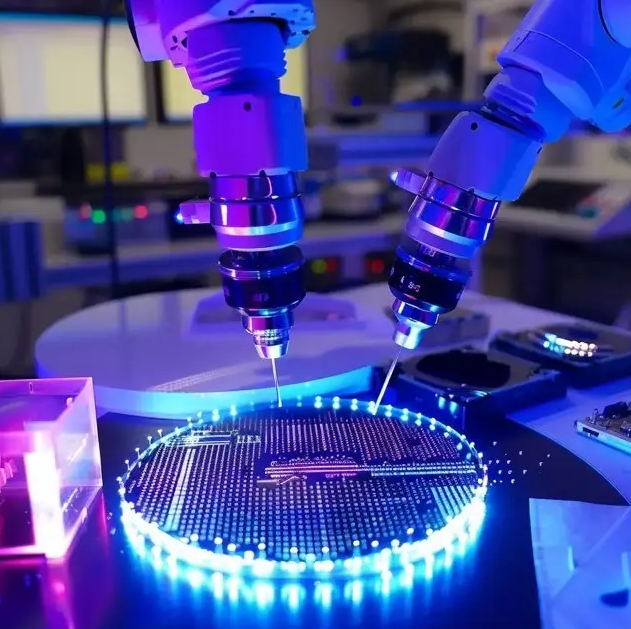
When you’re working in semiconductor fab, “clean” isn’t just a goal—it’s everything. Even a tiny bit of residue can ruin a whole batch. For a long time, the go-to was convection ovens. But let’s be honest: blowing hot air everywhere is a gamble. You’re basically pushing particles around the chamber and wasting a ton of electricity just to heat up the air and the walls. That’s why we moved to infrared (IR) heaters. Instead of heating the room, we heat the substrate itself. The magic of direct heat Think of it like standing in the sun on a cold day. You don’t need the air to be 80 degrees to feel warm; the radiation hits you directly. IR does the same thing for wafers. Because we aren’t circulating air, we get rid of the biggest source of contamination in the cleanroom. Plus, it’s way more efficient. You aren’t paying to heat a giant metal box; you’re putting the energy exactly where it needs to go. It’s a much cleaner way to meet those strict lead-free and eco-friendly specs without relying on harsh chemical solvents. The tricky part Now, it’s not all plug-and-play. We usually go with short-wave or medium-wave lamps because they ramp up almost instantly. It’s fast. Really fast. And that saves a massive amount of time in the production cycle. But there’s a catch. Since the heat is so concentrated, you have to be obsessive about the distance between the lamp and the wafer. A few millimeters too close and you’ll end up with hot spots or, worse, a warped substrate. You need a control system with PID loops that can react in a heartbeat to stop the temperature from overshooting. A smaller, greener footprint The best part? The gear is just smaller. We can ditch the massive blowers and those heavy insulation jackets, so the curing station takes up way less floor space. IR converts electricity to heat much better than old gas-fired or resistive heaters. At the end of the day, you’re using less power per wafer and keeping the process spotless. It just makes sense for a modern fab.