


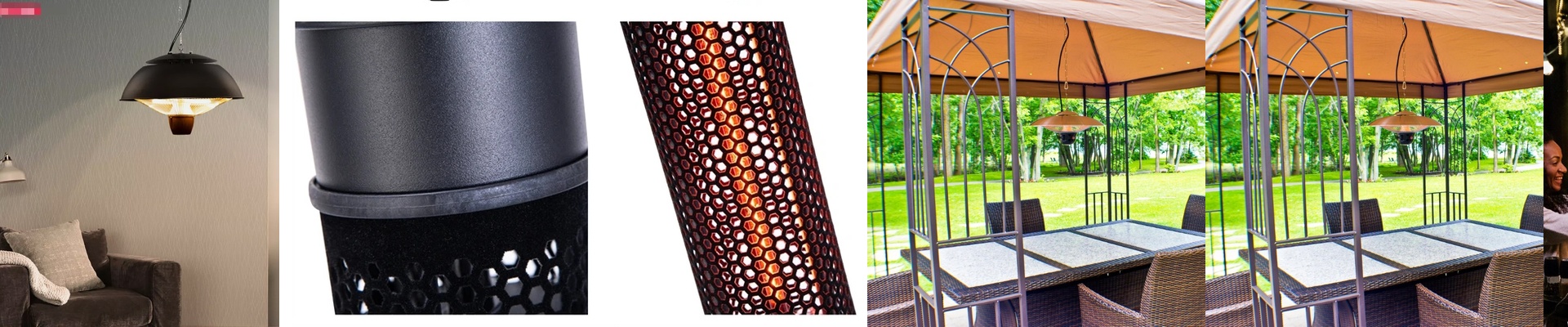

Why We Obsess Over the IP55 Rating for Our Outdoor Heaters
If you’ve ever put a heater outside, you know the two things that want to kill it: dust and water. It sounds simple, but moisture is relentless. That’s why we build our patio heaters to an IP55 standard. It’s basically a shield that keeps the guts of the machine from frying.
What does “IP55” actually mean for you?
Let’s strip away the technical jargon. The first ‘5’ is all about the grit. It doesn’t make the heater a vacuum-sealed vault, but it keeps enough dust and dirt out so your circuit board doesn’t short circuit. The second ‘5’ is the important one—water. It means your heater can handle a heavy rainstorm or a random splash from any angle without water leaking into the electrical terminals. We use heavy-duty gaskets and sealed cable entries to keep everything bone-dry. If you don’t do this, condensation builds up inside the chassis. That moisture eats away at the metal contacts, causing sparks (arcing) that eventually just burn the whole thing out.Nobody wants that.
The hidden danger of fog
Most people worry about rain, but fog is the real silent killer for infrared lamps. Tiny droplets settle on the quartz tube. Then, the lamp heats up. Those droplets evaporate instantly, leaving behind little mineral deposits. These create “hot spots” on the glass, which puts a ton of stress on the material. Eventually? The glass just cracks. To stop this, we designed a specific airflow path that keeps the lamp face clear. We also shaped the housing to divert splashes away from the heating core. It’s a simple fix, but it makes a huge difference in how long the lamp lasts.
A few things to keep in mind
Here is the honest truth: adding this level of protection makes the heater heavier and a bit more expensive to build. It also means we can’t leave the frame wide open, which changes how the air moves. Because of that extra weight, just make sure your mounting bracket is sturdy. And a quick tip: don’t tuck the unit into a dead-air corner. If the electronics can’t breathe, the internal thermal cut-off might trip during a freezing winter night. Give it a little space, and it’ll keep you warm for years.