



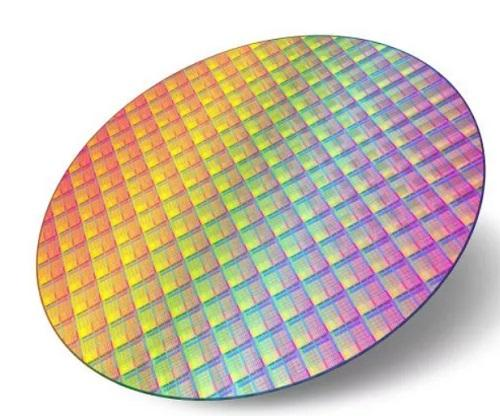
Making Semi-Fabs Greener with Vacuum IR Heating
If we’re actually going to hit carbon neutrality in semiconductor fabs, we have to talk about heat. Most old-school resistive heating is just… wasteful. It takes forever to warm up and leaks energy everywhere. That’s why we use vacuum-compatible infrared (IR) heaters. Instead of trying to heat up the entire vacuum chamber—which is a total waste of power—these heaters aim shortwave radiation directly at the wafer. It’s a direct hit.
Dealing with Heat in a Vacuum
Here’s the thing about vacuums: you don’t have air to move the heat around. You’re relying entirely on radiation. We’ve designed these IR lamps to pack a lot of power into a small space. This means you can cycle through temperatures incredibly fast. We’re talking seconds, not minutes. When you stop waiting around for a chamber to warm up, your total power bill per wafer drops. But there is a catch. High-wattage IR tubes get incredibly hot in one spot. If your cooling jackets aren’t up to the task, you’re going to end up with warped chamber seals. It’s a balance.
Keeping Things Clean
In a cleanroom, “outgassing” is the enemy. One tiny bit of contamination and your yield plummets. To stop that, we use high-purity quartz envelopes and seals that actually hold up. We also obsess over the emissivity of the lamp surface. Why? Because it doesn’t matter how much energy you generate if it isn’t actually hitting the substrate. The best part is that these are basically drop-in replacements. You can swap out those clunky, inefficient old elements without rebuilding your whole setup.
What This Actually Does for the Factory
When you slash your ramp-up time, you’re shrinking your carbon footprint. Simple as that. Plus, you aren’t dumping nearly as much waste heat into the building’s HVAC system, which is another win for the energy bill. We see the biggest difference during annealing and curing. You get the exact temperature you need without the heavy energy drag of a legacy oven. It’s a simple mechanical switch, but it leads to a real, measurable drop in CO2 for every single chip that rolls off the line.