




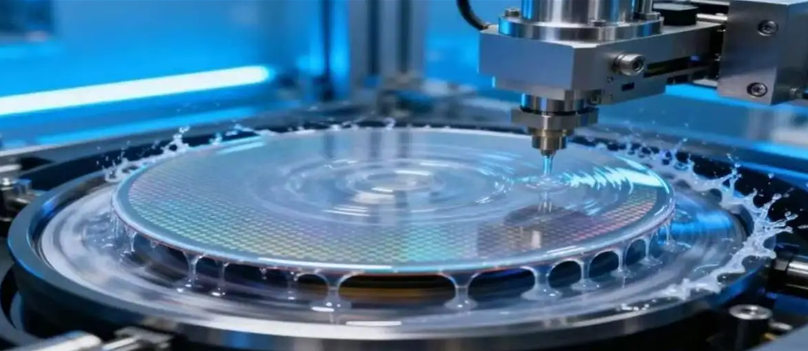
Stopping the Nightmare: Keeping Your Wafers Clean When Heaters Fail
If you’ve worked in high-load wafer production, you know the feeling. A lamp bursts. Just like that. It’s not just about the downtime. It’s the glass shards and metallic bits raining down on your wafers. One crack in a quartz tube can turn an expensive batch of wafers into scrap metal and glass in seconds. It’s a disaster. That’s exactly why we build our infrared heaters the way we do. The “Safety Net” Approach We don’t just trust a single piece of quartz to do the heavy lifting. We added a secondary containment sleeve. Think of it as a backup. If the inner heating element cracks or gives out under the heat, the sleeve catches all the debris. Nothing drops onto your substrate. We also stick to high-purity quartz for the inner lamp, so you don’t have to worry about weird gases leaking out and messing with your clean room specs. Dealing with the Heat High wattage means intense heat. If your cooling isn’t spot on, the ends of the lamp overheat and the seals just… give up. To stop that, we use reinforced end-caps and connectors that can actually handle the expansion and contraction. Now, here’s the honest part: adding that containment sleeve does block a tiny bit of the IR transmission compared to a totally bare lamp. But let’s be real. Losing a tiny bit of raw power is a fair trade for not losing your entire batch of wafers. Easy Swaps and Simple Upkeep Nobody wants to spend hours rebuilding a heating assembly during a shift. We made these units drop-in replacements. You swap the lamp, wire it up, and you’re back in business. One tip from the field: check your contact tension every 500 hours. It sounds small, but loose connections create hotspots. Those hotspots eat through quartz. Keep those contacts tight, and your lamps will take a beating for a long time without breaking.