
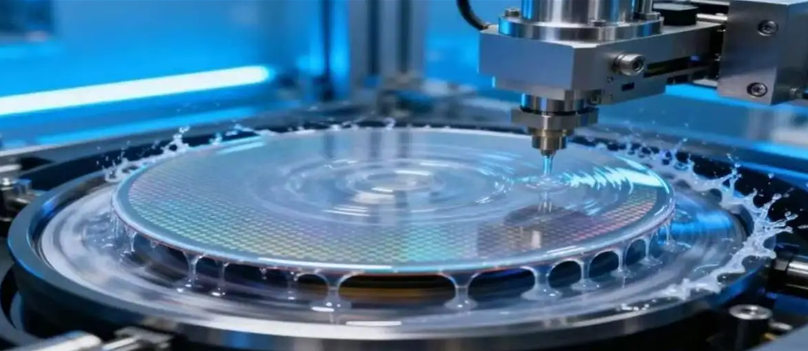
Cutting Carbon in the Fab: Why IR Heating Actually Works
Semiconductor fabs are feeling the heat right now to hit those carbon neutrality goals. But if you look at the floor, a huge chunk of energy is just vanishing during the wafer drying stage. I see it all the time. Plants are still using these massive convection ovens or old-school heating elements. It’s inefficient. You’re basically spending a fortune to heat up the entire chamber and the surrounding air, when all you actually care about is the wafer.
The real deal with IR audits
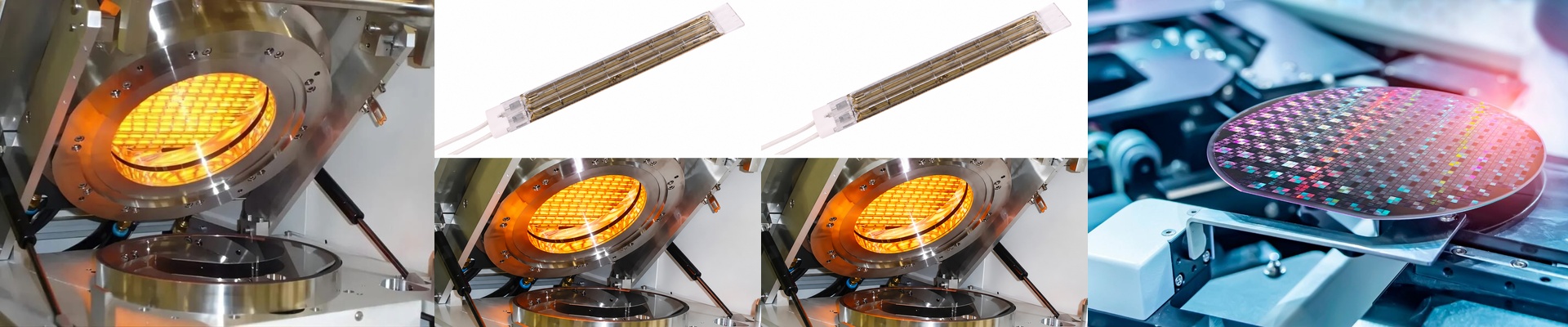
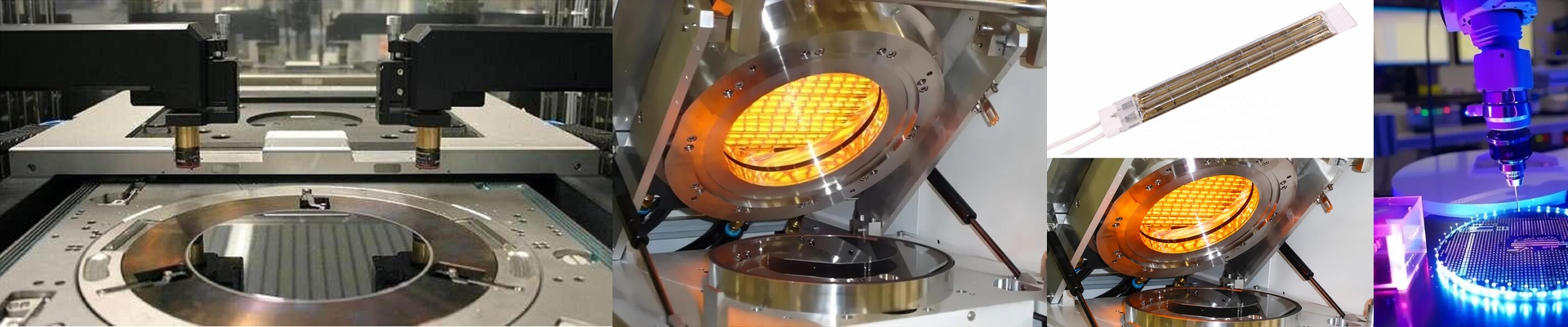
When I walk into a fab to audit a drying line, the first thing I look for is “thermal lag.” Think about it: convection is slow. You have to heat the air, then the air heats the wafer. It takes forever. Infrared (IR) just skips the middleman. It sends energy straight to the wafer surface via electromagnetic radiation. By switching to short-wave IR, you stop wasting power on the machine walls and the air around them. The energy draw per wafer drops. Simple as that.
Getting the setup right (and where it goes wrong)
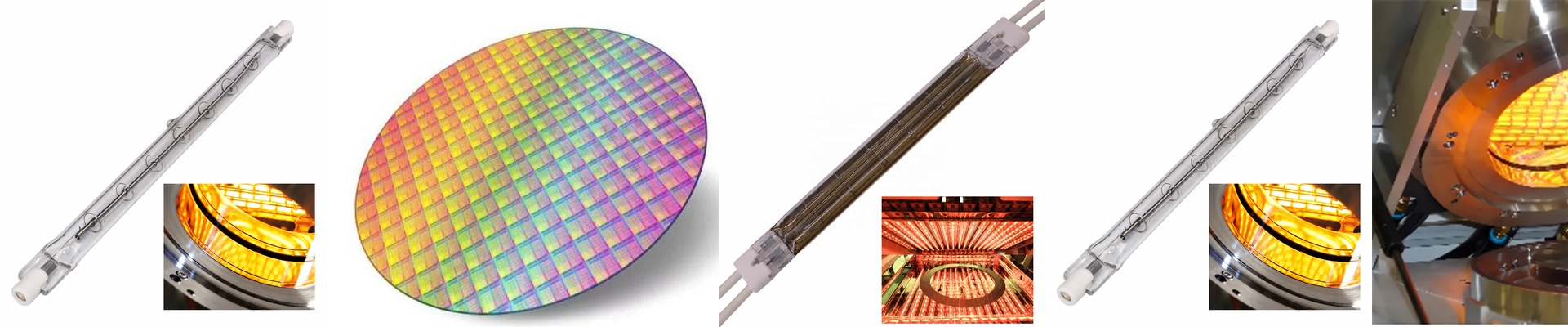
Now, you can’t just swap a heater and call it a day. It’s not that easy. To actually move the needle on your carbon footprint, you have to match the wavelength. If the IR emitter isn’t tuned to the specific absorption spectrum of the wafer or the gunk you’re trying to dry, you’re just burning electricity for nothing. We usually go with high-density quartz lamps. Why? Because they ramp up and cool down fast. You don’t have heaters idling at full blast while you’re waiting between batches. But here’s the catch. High-intensity IR gets hot—especially at the ends of the lamps. If you cheap out on the cooling fans or the water-jackets, you’re going to warp your mounting brackets or fry your connectors. It’s a headache you don’t want.
What this does for your “Green” numbers
When you ditch convection for IR, the math starts to look a lot better. You’re using fewer kilowatt-hours per unit. The drying station takes up less space on your floor. And since the heaters run for shorter bursts, you’re pulling less power from the grid, which kills your CO2 emissions. You get your wafers through the line faster, and your carbon score actually looks honest. It’s a win-win.