


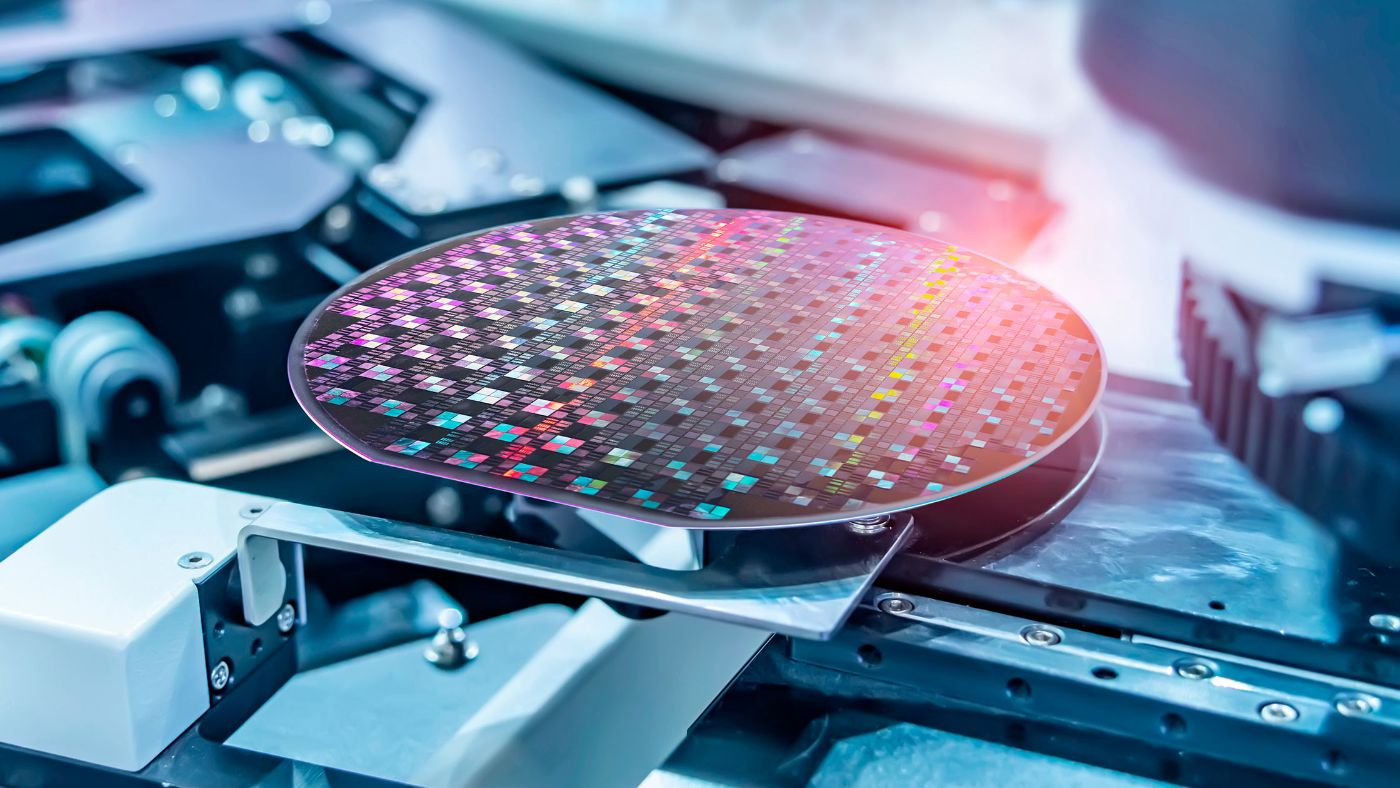
On the fab floor, soft bake and hard bake aren’t just “heat steps.” They’re a tightrope. A 2°C drift will pull your critical dimension (CD) off target, and if the bake throws particles, you can watch yield walk away. We built our controlled-atmosphere bake lamps to stop those two failure modes cold. What actually matters under the hood We use short-wave infrared (SWIR) heating with quartz-halogen elements, and the process chamber is sealed and nitrogen-purged to keep oxygen and moisture out. Across the bake zone, wafer-level temperature uniformity holds at ±0.1°C, with setpoint repeatability within ±0.2°C. When you change recipes, the system settles in under 5 seconds—so you can run mixed products without baking in long, unnecessary thermal soaks. It’s cleanroom-ready for Class 1–100: low-outgassing materials and a filtered exhaust path that keeps particle counts from spiking. Why this works in lithography In lithography, you need the same photoresist profile lot after lot, wafer after wafer. This lamp gives you that by keeping the thermal budget disciplined—less line-width variation, better profile control. The controlled atmosphere cuts skin formation and solvent trapping, which means fewer defects and less rework. Because SWIR heats directly and cycles are shorter, energy use drops. And the unit is built for 24/7 fab life, with maintenance intervals you can plan—not surprise downtime you can’t. What you need to get right on install and sustain Installation means a dedicated cleanroom power circuit and a nitrogen supply set to the right pressure and purity. If the gas delivery is off, temperature stability drifts. The footprint is compact, but you still have to leave clearance for exhaust ducting and service access. For uptime, run preventive maintenance against lamp-life tracking and quartz window inspection. Do that on schedule, and you keep uniformity and particle performance in spec.