


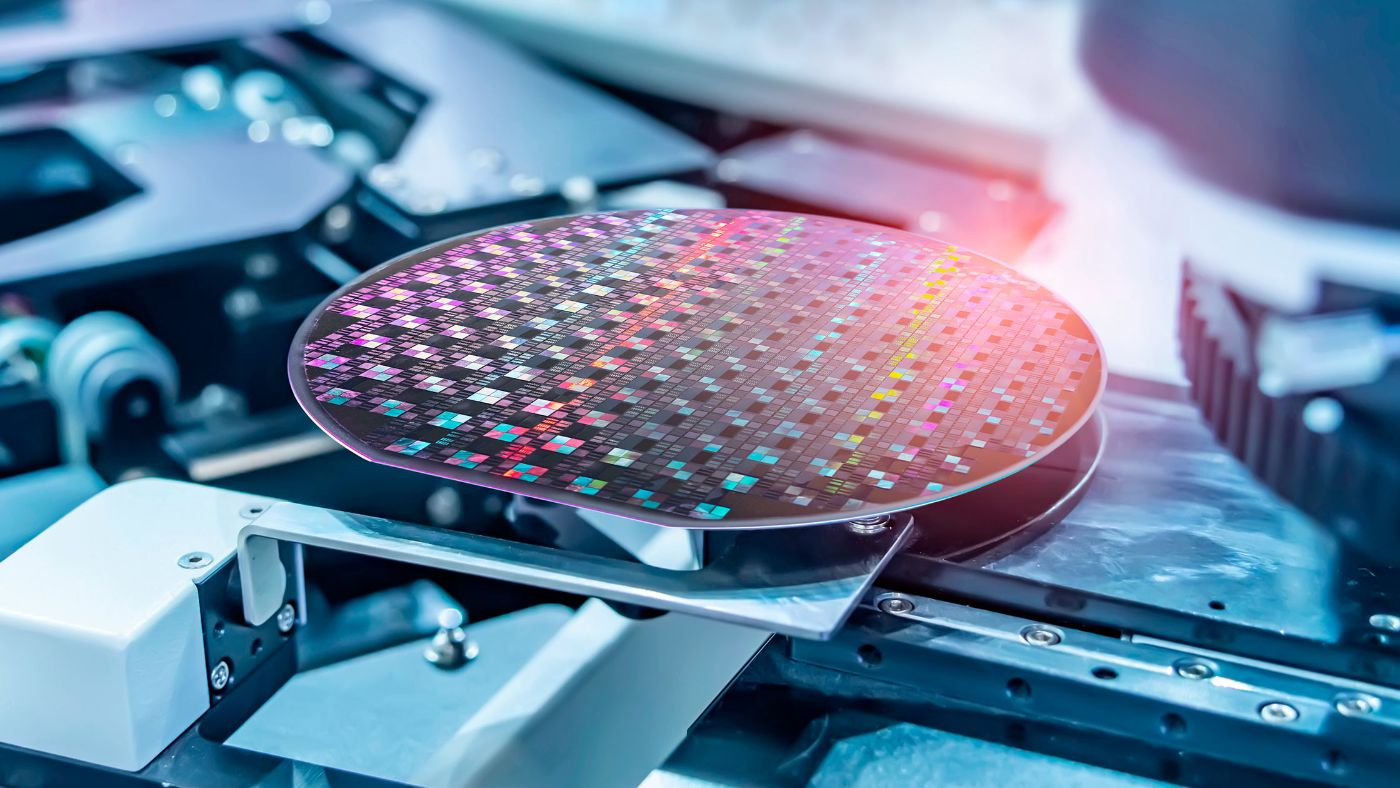
Stop Letting Your Heating Elements Kill Your Yield
If you’re running a Class 100 cleanroom, you already know the nightmare. One tiny flake of material or a whiff of outgassing, and your entire batch is trash. It’s frustrating. Most standard heating elements just aren’t built for this; they flake or leak volatile organic compounds (VOCs) exactly when you need them to be stable. We figured out a better way. We use high-purity synthetic quartz IR lamps built specifically for semiconductor work. The problem with “standard” quartz Most IR lamps use basic quartz. The thing is, those usually have binders and impurities that burn off during the first few hours of use. In a lab, that “burn-in” period is a disaster. We’ve stripped all that junk out. By using fused silica with almost zero impurities, we’ve gotten rid of the metallic contamination risk. You won’t deal with that annoying initial burn-off, and you don’t have to worry about microscopic particles flaking off while the temperature swings up and down. It’s just clean. Heat where you actually need it These lamps hit the short-wave IR spectrum. Here is why that matters: the energy goes straight into the wafer surface. It doesn’t waste time heating up the air around it or warming up your tool chassis. It’s fast. Really fast. Because the ramp-up is so quick and the temperature control is tight, you can keep your tool design compact without sacrificing power. The catch (because there’s always one) Look, high-purity quartz can handle insane temperatures, but that kind of heat density puts a lot of pressure on your vacuum seals and electrical connectors. If you crank up the wattage to squeeze out more throughput, you’ve got to make sure your cooling manifolds can actually handle the radiated heat. If they can’t, you’re looking at warped frames or the system just shutting itself down to keep from melting. We designed these to be simple drop-in replacements for your current setup. We obsessed over the filament metallurgy and the glass purity so you can stop worrying about airborne particulates and start focusing on your yield.