


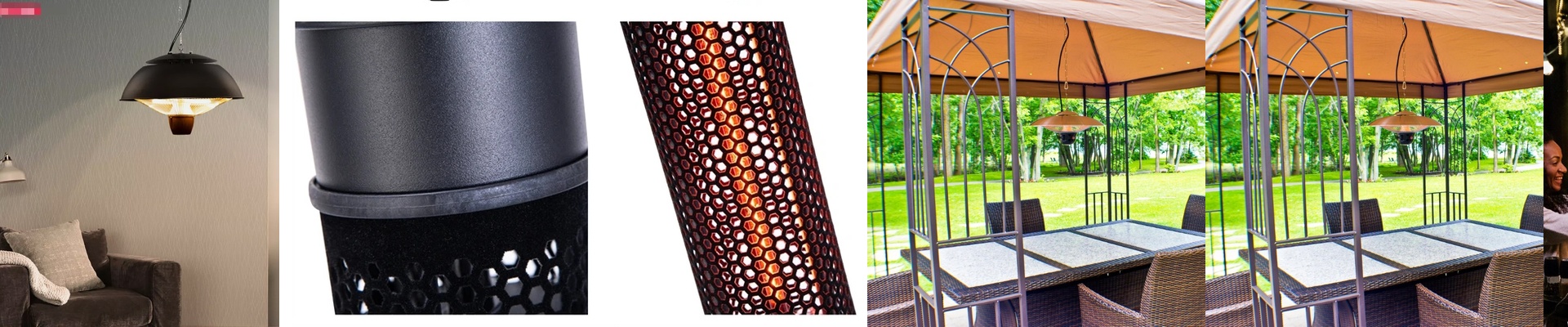

On the fab floor, the gap between the wafer and the heater isn’t a footnote—it’s a process parameter you can’t ignore. Let that distance drift, and thermal uniformity falls apart. Soft bake and hard bake profiles go sideways. CD control slips. Rework climbs.
What actually matters, technically
We set a repeatable safety distance that locks in wafer-level thermal uniformity of ±0.1°C. The system leans on short-wave infrared elements for fast, stable response, and the hot-zone geometry is built to keep particle generation at zero, even in Class 1–100 cleanrooms. Temperature repeatability holds across lots, shifts, and equipment, so the thermal budget stays inside the lithography stack tolerance.
Why this works in lithography tracks
In lithography tracks, that precision shows up as yield. Photoresist profiles stay consistent, which cuts defects driven by temperature non-uniformity. We get 24-hour reliability by keeping thermal control tight and maintenance intervals predictable, so unplanned downtime stays low. The payoff is stable throughput, less scrap, and a predictable cost per wafer—without touching the fab layout.
The practical details you’ll run into
Installation is straightforward, but you set the safety distance during qualification and then lock it down. The heater needs cleanroom-grade power and grounding to keep things stable; voltage sag will drift the setpoint. Plan for a short ramp-up to hit steady-state uniformity after maintenance or lamp replacement. Once the distance is fixed and the profile verified, the process runs with minimal intervention.