



Keeping Things Cool (and Safe) When Working With Volatile Chemicals
When you’re fabricating hydrogen sensors, temperature control is everything. But here’s the catch: you’re usually doing this right next to flammable cleaning agents. In an environment like that, a standard infrared (IR) lamp isn’t just a tool—it’s a risk. One tiny spark or a hairline crack in a quartz tube, and you’ve got a serious problem on your hands. We figured out a better way. Instead of using open-element heating, we shifted to a sealed encapsulation system.
Stopping Sparks Before They Start
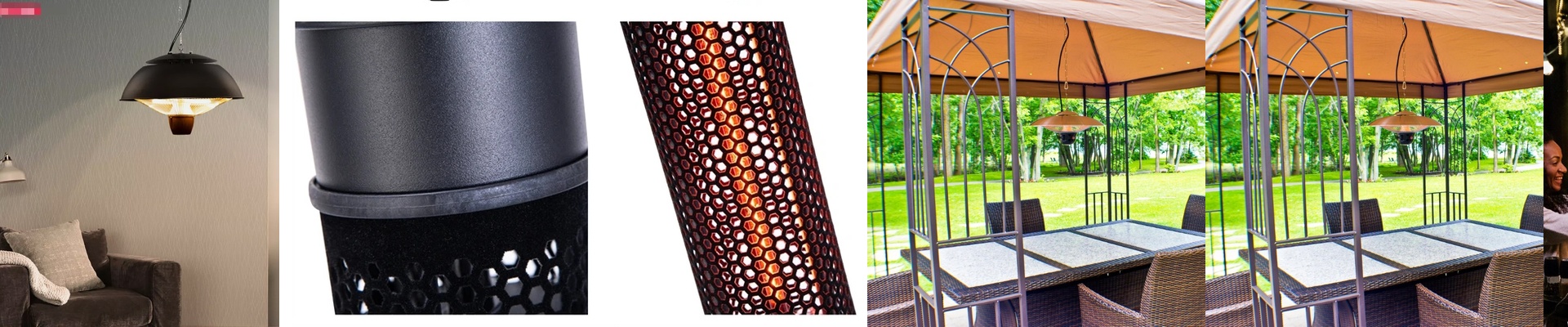
We basically wrap the IR heating elements in a heavy-duty, chemically resistant quartz sleeve and lock the ends tight with flame-proof gaskets. Think of it as a physical wall. It keeps the electrical terminals completely away from the air around them. Because the heating element is isolated, those volatile vapors never even get close to the live current. Plus, we chose materials that don’t pit or degrade when they’re soaked in corrosive solvent fumes. And just in case the outer seal ever fails? The system is built to kill the power before a spark can even jump. It’s about peace of mind.
Getting the Heat Just Right
If your temperature jumps around, your sensor membrane quality goes right out the window. That’s why we focus on controlled wattage density. It stops those annoying “hot spots” from forming and overheating any chemical residue left on the sensor housing. You get a smooth, even heat across the whole fabrication bed. No more dealing with the temperature spikes you get from cheap lamps that just burn everything out.
The Trade-off
Now, nothing is perfect. Adding that protective layer means you lose a little bit of direct IR penetration compared to a bare lamp. To make up for that, you’ll want to spec out a power supply with a slightly higher wattage to hit your target temperature. Also, keep an eye on your airflow and cooling. You want to make sure the enclosure itself isn’t heating up the gear sitting around it.