
Stop Letting Your Heaters Trash Your Cleanroom
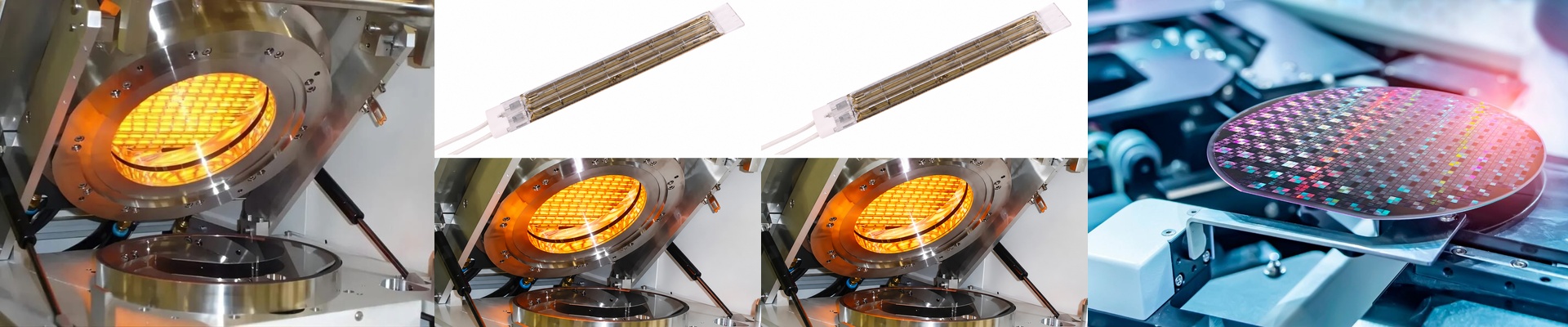
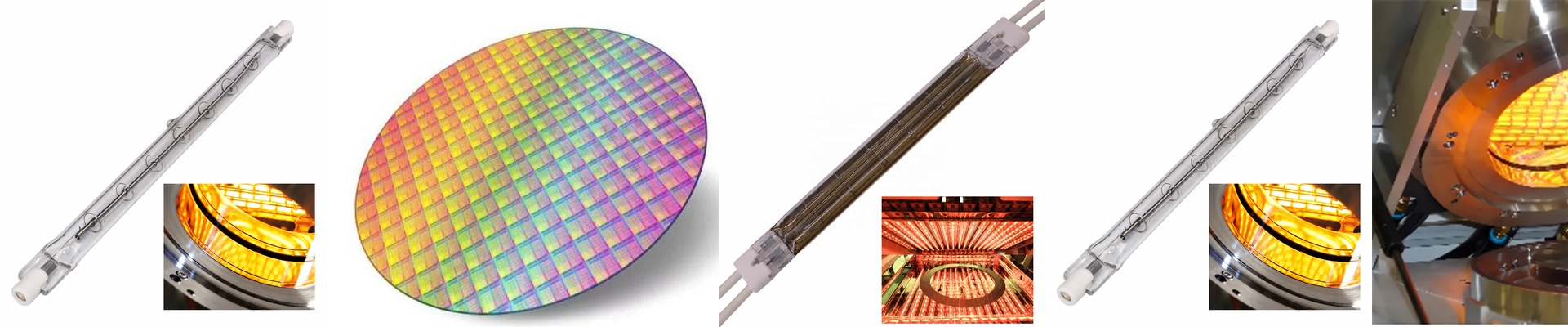
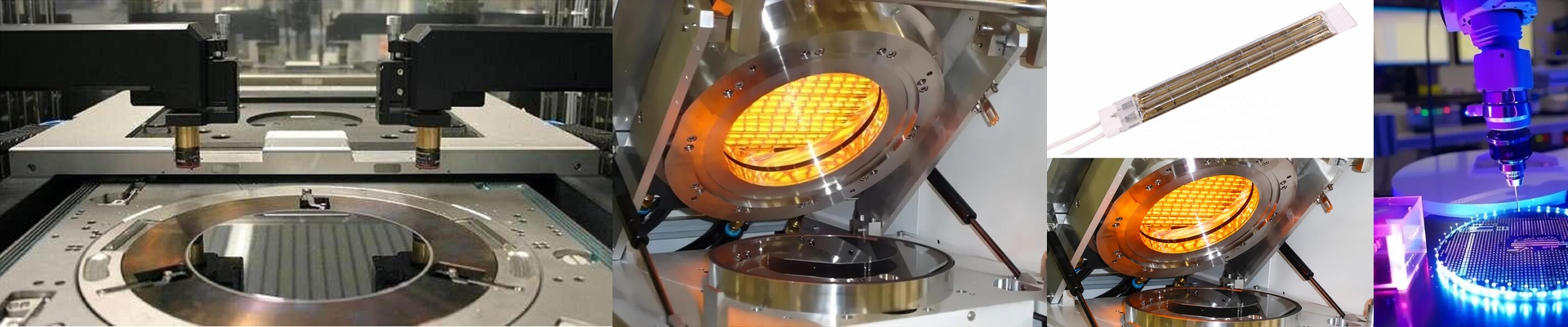
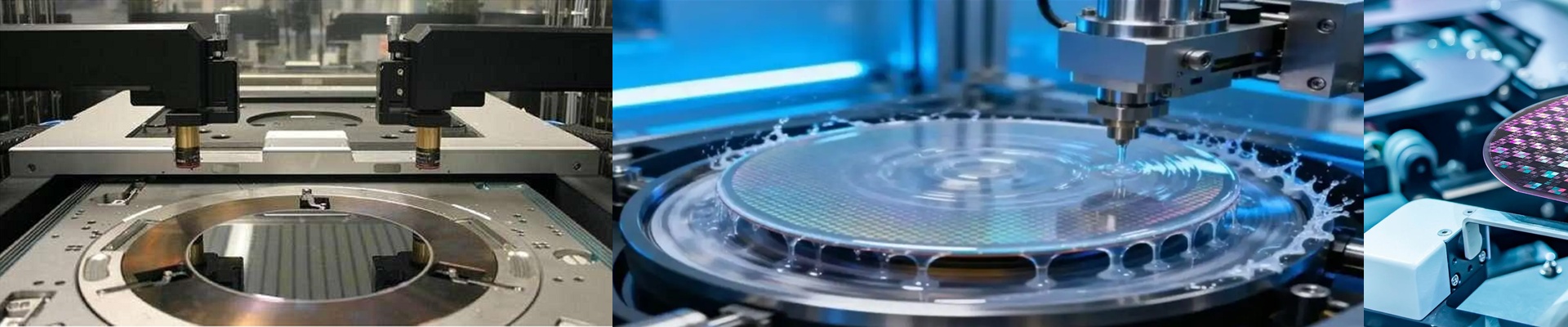
If you’re running a Class 100 cleanroom, you already know the nightmare of particulate shedding. One tiny flake of metal or a bit of chemical outgassing from a heating element, and your whole batch is ruined. That’s why standard metal-sheathed heaters are a gamble. They flake. It’s just what they do. We took a different route. We use high-purity fused quartz infrared lamps because they just don’t create that mess.
Why Quartz Actually Works
We use synthetic quartz for these lamps. It’s a different beast than standard glass. When things get hot—really hot—this material stays stable. It doesn’t break down or leak volatile organic compounds (VOCs) into your space. The best part? The heat moves via infrared radiation. It’s just electromagnetic waves hitting the target. Since there’s no forced air blowing across the element, you aren’t accidentally blasting dust all over your workpiece. It’s clean. Simple.
Fitting Them Into Your Glovebox
Space is always an issue in a glovebox. It’s usually a tight squeeze. We build these to your specific dimensions so the heat hits exactly where you need it, not the walls of the box. We also use a halogen-filled cycle. This keeps the tungsten filament from evaporating into the quartz, which means the lamp lasts longer and runs hotter without burning itself out. One quick tip: keep an eye on your voltage drop. If you’re wiring a long chain of these across a big array, make sure your power supply can handle that first surge when you flip the switch.
A Few Things to Watch Out For
We use standard connectors so you can just drop these in. The faster you get them installed, the less time your cleanroom stays open to the outside air. But here’s the catch: quartz is fragile. It can take a massive temperature swing without breaking, but it can’t take a hit. One wrong move during installation and the tube will crack. And please, wear lint-free gloves. If you touch the quartz with your bare hands, the oils from your skin bake into the surface. This creates “hot spots” that will kill the tube way sooner than it should. Keep it clean, handle it gently, and you’re good to go.