
Getting Your Heat Right in a Smart Fab
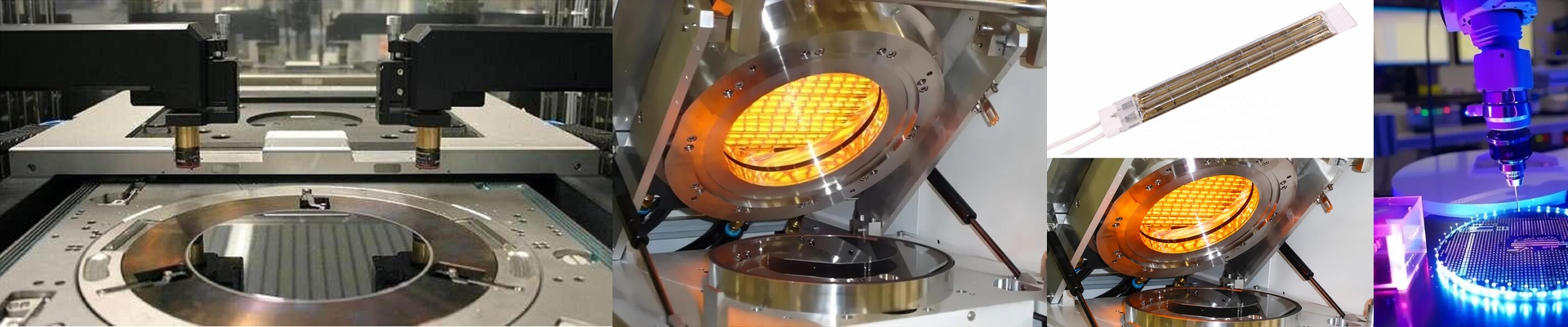
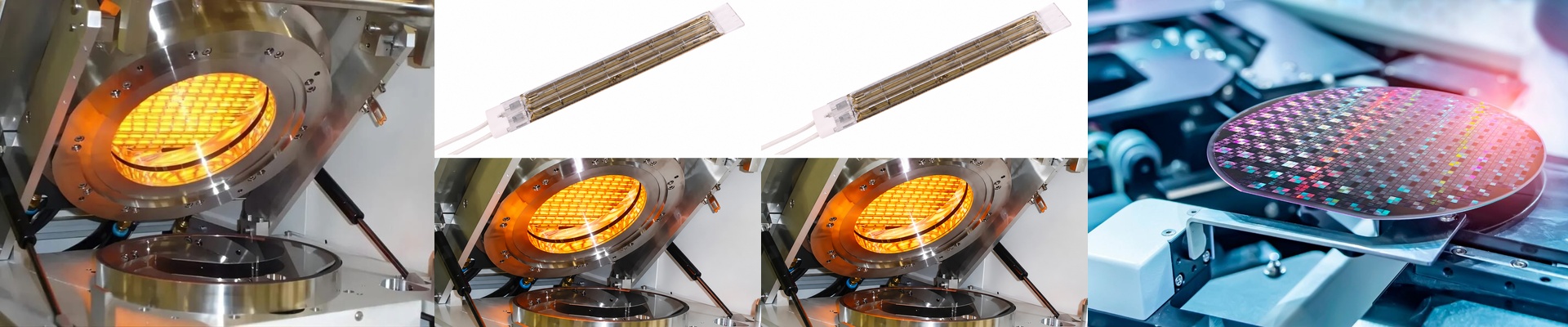
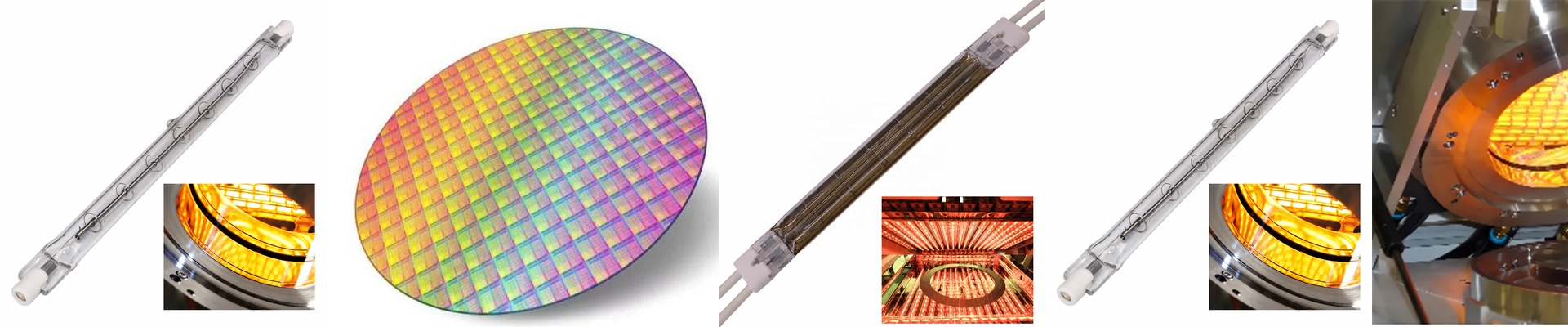
When you’re trying to squeeze thermal systems into a modern, high-tech Fab, you quickly realize that just “adding heat” isn’t enough. You need that energy to go exactly where it’s supposed to, and it needs to talk to your data systems without crashing them. That’s why we lean on infrared bulbs paired with gold reflectors. It’s all about getting as many photons as possible onto the substrate.
Why Gold?
Most people start with aluminum reflectors, but here’s the problem: aluminum absorbs too much energy. It’s wasteful. We use gold coatings because they bounce back about 98% of that infrared radiation. This means the heat actually hits your workpiece instead of soaking into the machine’s frame. It keeps your thermal footprint tight. That’s a big deal because in a crowded production line, your sensors and PLC modules are sitting right next to the heat. If that heat wanders, your electronics fry. Gold keeps the heat focused and your gear safe.
Making it Play Nice with Your Tech
To make these IR systems work in a digital setup, they have to get along with your PID controllers and SCR power regulators. By tweaking the voltage, you can watch your temperature ramps happen in real-time. We usually go with shortwave setups here—they react fast. One heads-up, though: if you’re cranking up the wattage to hit your targets faster, your power density spikes. Make sure your cooling fans are up to the task, or you’ll watch your reflector housing start to warp. Not a pretty sight.
Saving Space on the Floor
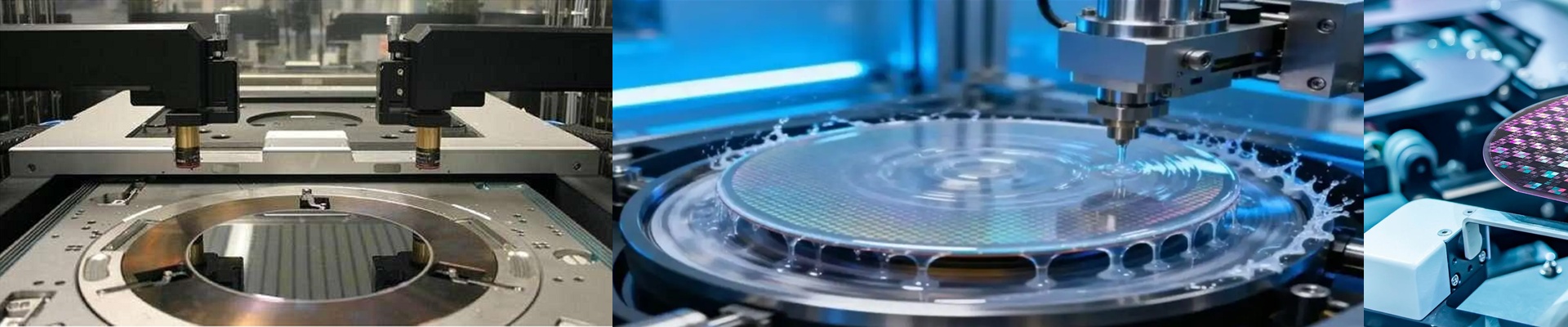
Floor space in a smart Fab is precious. It’s always tight. Because gold reflectors are so efficient, you can move the heat source closer to the part without wasting energy. This lets you shrink the whole machine. We see this a lot in curing, drying, and precision bonding. In those stages, any kind of thermal lag is a nightmare. You need it hot, and you need it now. Now, the catch is the price. Gold costs more than polished aluminum. No way around that. But when you factor in the energy savings and the fact that you aren’t killing your electronics, it’s just the smart way to run a high-uptime line.