


A Better Way to Dry Semiconductor Wafers
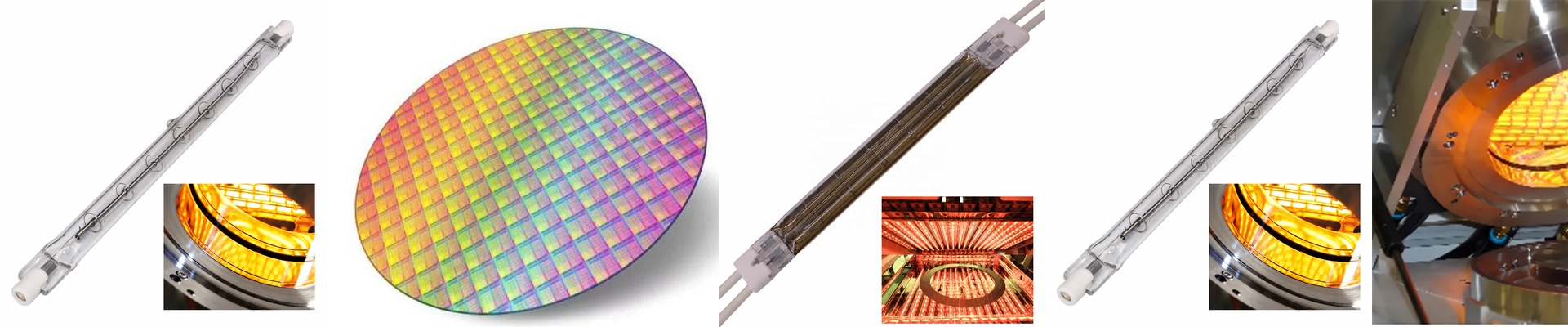
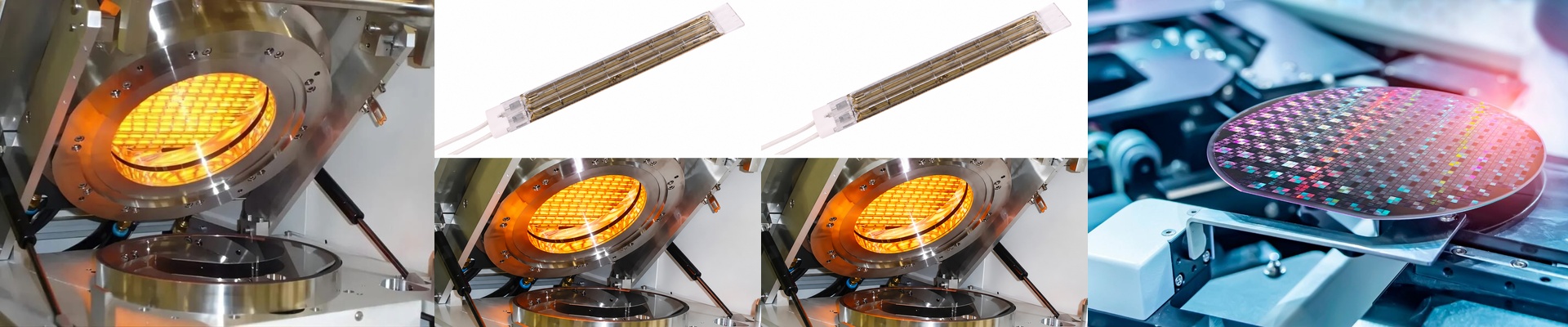
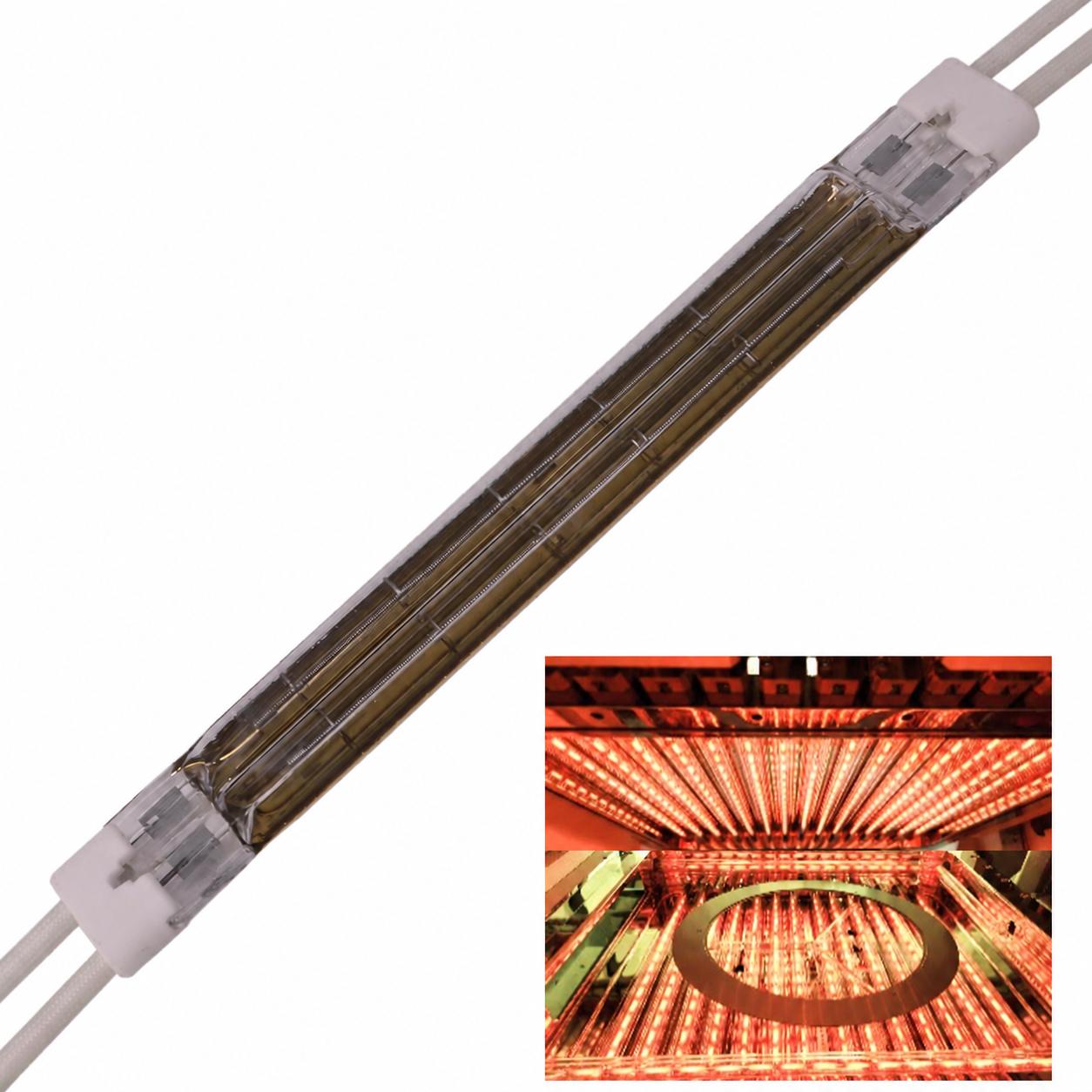
Let’s talk about the headache of drying and curing after a rinse cycle. With all the new push toward lead-free and eco-friendly standards, the old ways of doing things just aren’t cutting it anymore. That’s why we’ve leaned into waterproof infrared (IR) lamps. They get rid of the nasty chemical solvents and actually bring down the carbon footprint of the whole drying stage. The logic behind IR Think about a standard convection oven. It spends a ton of energy just heating up a big box of air before the part even feels the heat. It’s wasteful. IR is different. It sends energy straight to the substrate. No middleman. Now, since we’re dealing with rinse water, we use waterproofed elements. If you don’t, moisture creeps in, the quartz envelope cracks, and suddenly you’ve got a short circuit on your hands. Nobody wants that on a Tuesday morning. Staying green without the stress When you’re aiming for lead-free standards, the last thing you want is to introduce new contaminants. IR is a “dry” process. You don’t need those volatile organic compounds (VOCs) to speed things up. We use short-wave or medium-wave IR to hit the exact spots where water and residue cling. It evaporates everything fast, but it keeps the overall temperature low. This is huge because it stops those sensitive wafers from warping or cracking under thermal stress. The trade-offs (Because nothing is perfect) Here’s the catch: high-wattage lamps pack a punch. They give you the speed you need to keep production moving, but they get hot. If your housing isn’t vented right, you’re asking for trouble. Without the right cooling fans, that heat builds up and can actually warp your machine frame or fry your sensors. It’s a balancing act. The good news? We designed these lamps to be simple drop-in replacements for those clunky, old heating elements. You switch over, your warm-up times vanish, and you stop wasting power. It’s a pretty easy win for hitting those “green” goals without losing a single wafer in the process.