


Don’t Let Your Heater Start a Fire
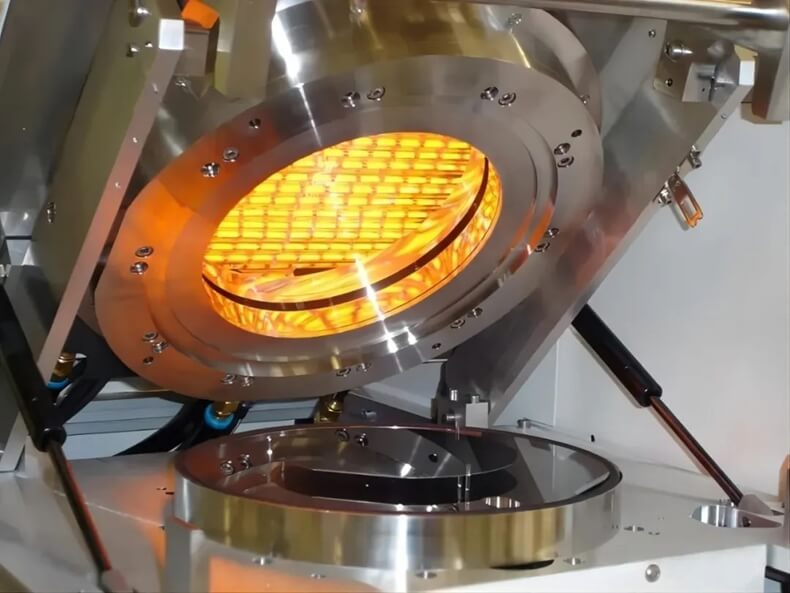
If you’re heating up chemical cleaners in an environment where things could actually explode, a standard IR lamp is basically a ticking time bomb. That’s why we stick with twin-tube, gold-coated lamps. It’s the only way to make sure your heating element doesn’t accidentally become a spark. Why the gold? It’s not about looking fancy. The gold layer acts as a filter. It bounces a ton of that infrared energy back inside the tube, which cranks up the heat of the filament while keeping the outside of the quartz glass much cooler. This is the key part: it keeps the lamp’s “skin” from getting hot enough to ignite the chemical vapors floating around it. You get the heat you need without the risk of blowing the roof off. The twin-tube trick We use a twin-tube setup because it lets us double the heat output without taking up any more space. Two filaments in one housing means way more heat density. It’s fast. Really fast. And that matters because the quicker you hit your target temperature, the less time your chemicals spend in that unstable “danger zone” during the heating cycle. Keeping things sealed Volatile fumes are nasty. They love to get into electrical connections and eat away at electrodes. To stop that, we use specialized encapsulation to seal the ends of the lamps tight. Just a heads-up: the gold coating protects the lamp, but it isn’t a magic shield for everything. You still need a certified explosion-proof enclosure that can handle the specific vapors you’re working with. The catch Look, gold-coated lamps cost more than the clear quartz ones. They also change how the heat is emitted. If your project needs specific short-wave penetration to heat deep layers, you’ve got to be careful with the coating thickness. If there’s too much gold, it reflects too much energy. If your power supply isn’t dialed in perfectly, you might actually burn out the filament early. It’s a balancing act.