



Why Quartz Shields Matter for Your Fab Lamps
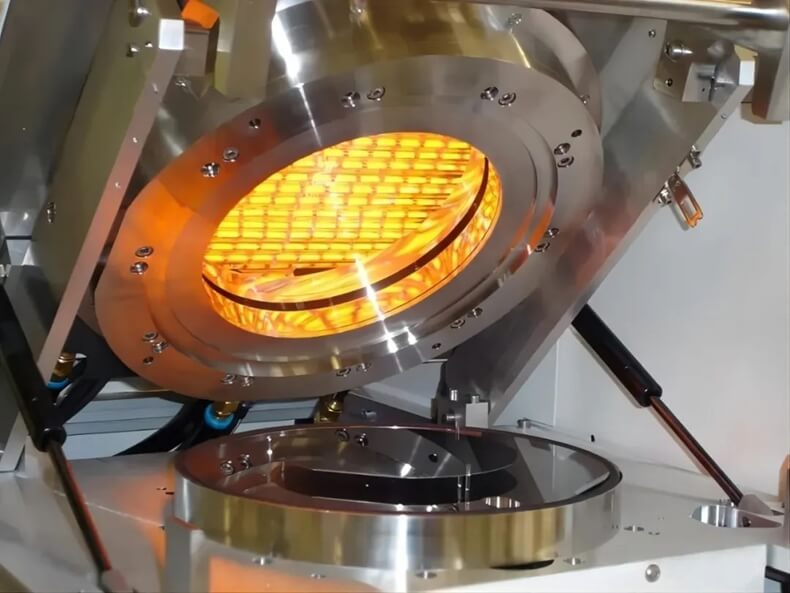
If you’re running a smart fab, you know the struggle of hitting those exact temperature targets. You’re relying on shortwave infrared to get the job done, but your lamps are vulnerable. That’s where quartz glass shields come in. They basically act as a bodyguard for your heating lamps, keeping the grime out and making sure the heat hits your workpiece just right. The deal with the material We stick with high-purity fused quartz for a reason. It lets that shortwave IR radiation slide right through without soaking up too much heat. Try using standard glass and you’ll see what happens: it’ll overheat and crack almost instantly under the pressure of a fab lamp. Quartz is different. It handles the thermal shock. Even when your lamps are cycling on and off rapidly, the quartz stays steady. It just works. Fitting into the “Smart” side of things Modern production is all about the data. We’ve designed these shields to leave plenty of room for thermal sensors. This means you can actually see the heat gap between the lamp and the shield while it’s happening. If things get too hot, you’ll know immediately and can dial back the power. One quick tip: make sure your controllers can keep up. If your PID loop is lagging, you might burn out a lamp before the shield even has a chance to move the heat away. It’s a tight window. The honest trade-offs Nothing is perfect. Here’s the reality: these shields save your lamp filaments from particulates, which means your lamps last way longer. But, you do lose a little bit of heat. Every layer of glass reflects a tiny bit of energy back. It’s not a deal-breaker, but you’ll want to bump up your power supply a nudge to make up for that loss. And please,keep them clean. Dust is the enemy here. When grime builds up on the quartz, it creates “hot spots.” That’s how you get glass failure or, even worse, uneven heating across your substrate. Keep the surface clear, and your IR transparency stays sharp.