

Keeping People Warm in Wet Spaces: Why IPX5 Infrared is the Way to Go
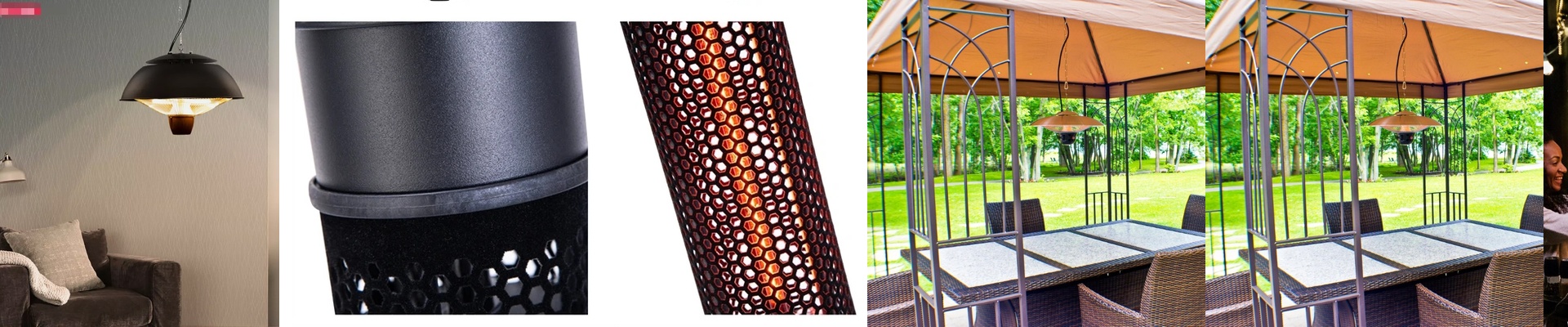
If you’ve ever tried to heat a luxury changing room, you know it’s a nightmare. You’re fighting high humidity, water splashing everywhere, and guests who want to feel warm the second they step out of the shower. Standard heaters just don’t cut it here. They try to warm up the air, but in a room with heavy ventilation, that warm air just vanishes. It’s like trying to fill a bucket with a hole in the bottom. That’s why we use short-wave infrared. It’s all about the feeling. Instead of messing with the air, infrared sends energy straight to the skin and the surfaces in the room. It’s almost instant. When you put these in a locker room, you aren’t wasting energy on the walls or the ceiling—you’re warming the person. No waiting around for the HVAC to kick in. You just feel it. Dealing with the water problem Water and electricity are a bad mix. Period. To keep things safe, we use an IPX5 rating. In plain English? It means the unit can handle water jets hitting it from any angle without breaking a sweat. We make this happen by sealing the quartz tube junctions and using heavy-duty, moisture-resistant gaskets around the electronics. If those seals aren’t perfect, the unit will short out or the tube will crack from the temperature shock. We don’t take shortcuts there. Finding the sweet spot Short-wave emitters pack a punch. They get people warm fast, but they run hot. The trick is balancing the power with where you hang them. You want that “five-star” warmth, but you don’t want to melt your ceiling tiles. We usually suggest mounting them at least 2.5 meters up. This lets the heat spread out naturally so nobody gets a “hot spot” right on top of their head. The honest truth about maintenance Look, quartz tubes are tough, but they’re still glass. They can crack if something heavy hits them. That’s why we make sure the protective grill is bolted on tight. Also, if you’re running these 24/7 in a steamy environment, you can’t just “set it and forget it.” Every six months or so, it’s worth popping the hood to check the terminals for oxidation. A little bit of upkeep goes a long way in keeping everything running smooth.