

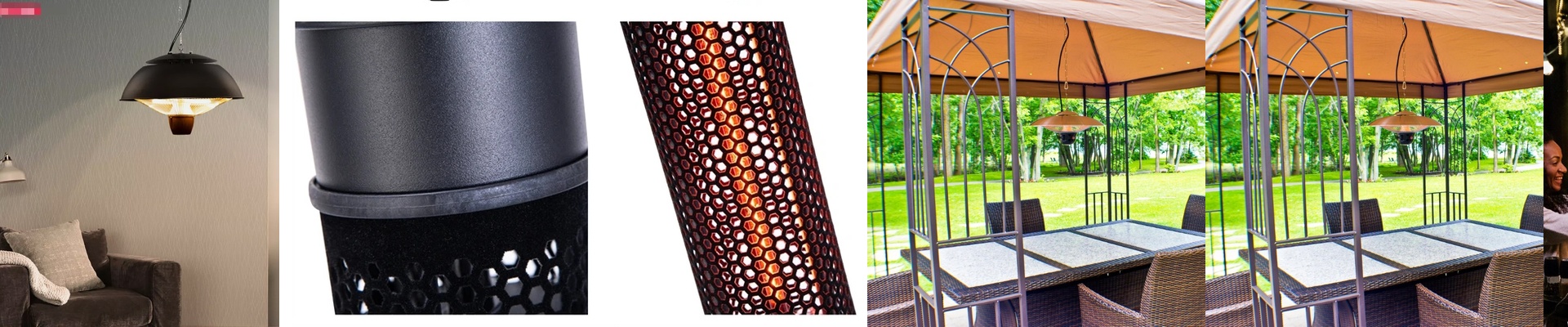


Stop Replacing Your Entire Heater Every Time a Tube Blows
Let’s be honest about outdoor heating: the weather eventually wins. Everything wears out. The real headache starts when you’re dealing with IP65-rated gear. Those waterproof seals are great for keeping rain out, but they’re a total nightmare when you actually need to get inside the machine. It’s like the heater is sealed in a vault. Usually, these things are built as one solid block. If a heating tube dies after five years, you’re stuck. You either spend half a day stripping the entire chassis apart or you just throw the whole unit in the scrap heap and buy a new one. It’s a waste of time and a waste of money. We decided to do things differently. Instead of one big sealed box, we built a “drop-in” system. We basically separated the weatherproof shell from the actual heating guts. The heating elements live in their own little cassettes. This is the best part: you don’t have to mess with the main control board or break the primary seal just to fix a broken tube. You just unlock the module, pull out the dead one, and slide in a fresh one. It turns a grueling afternoon of labor into a five-minute job. Your tech can hit a dozen units in one go without worrying that they’ve accidentally let water leak into the system. Now, there is a trade-off. When you go modular, you end up with more connection points than you would in a hard-wired setup. To make sure we didn’t lose power or deal with voltage drops, we used heavy-duty, reinforced terminals. They keep the resistance low and the heat steady. Just a heads-up: make sure those connections are tightened down properly during the first install, or you’ll end up with hotspots. For the people actually managing these facilities, this just makes life easier. The “five-year maintenance cliff” isn’t a disaster anymore. You don’t need a warehouse full of spare heaters; you just keep a few modules on the shelf. Your footprint stays small, and your heat stays on.