


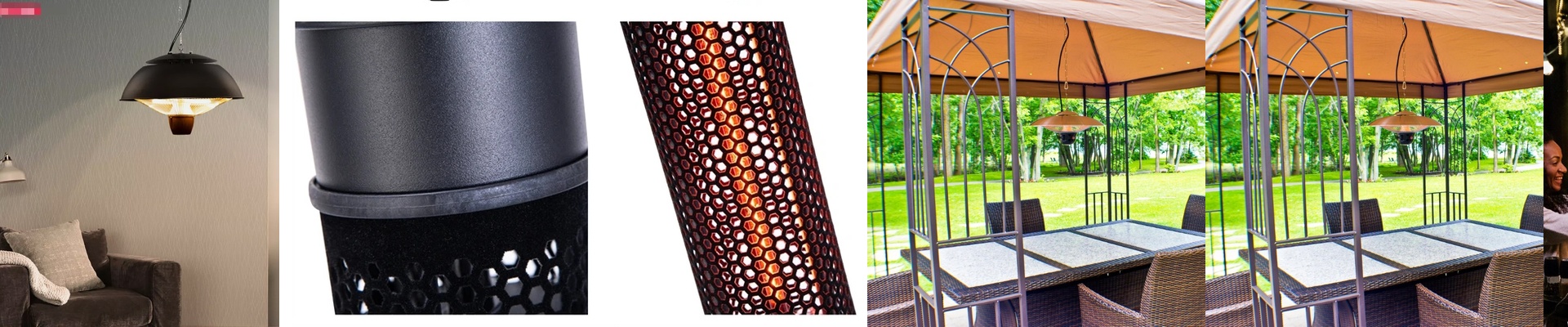


Picture the lights down low, the screen lit, the sound wrapping around you. Then the forced-air heater kicks on, and the whisper of the fan pulls you right out of the moment. That’s the headache a home theater runs into when the heat breaks the spell. We built this infrared radiant heater around a ceramic PTC core so the room stays warm—without the noise. What actually matters, under the hood The heart of the unit is a ceramic PTC element. It heats fast and self-regulates, so surface temps stay in a safe, controlled range. Instead of moving air, it delivers infrared warmth that goes straight to people and objects—like the sun, but without the glare. You get even heat across the seating area, no drafts, and no fan noise. It plugs into a standard 120V outlet, the footprint is compact, and the profile is low enough to fit where a regular space heater can’t. Built-in thermostat control and tip-over protection keep things steady and predictable. Why this works in a home theater In a dark, acoustically tuned room, sound is the whole show. Conventional heaters move air, and that airflow creates turbulence and masking noise that muddies dialogue and distracts from the details. Infrared warmth changes the equation. You feel cozy within minutes, without the rush of air that stirs up dust and shifts temperature layers. The audience stays comfortable and focused, so immersion stays intact. Because the heat targets people first, you’re not wasting energy on empty air, and the room feels more stable from the opening scene to the credits. A few practical notes Radiant heat warms people and surfaces directly, so the air can feel a bit cooler than you expect even when you’re warm. That’s normal. For the best coverage, position the heater so it evenly bathes the seating area and keep the infrared path unobstructed. This unit is designed for indoor home theater use and runs on standard household power; for larger rooms or open-plan layouts, consider adding a second unit to even out the heat.