


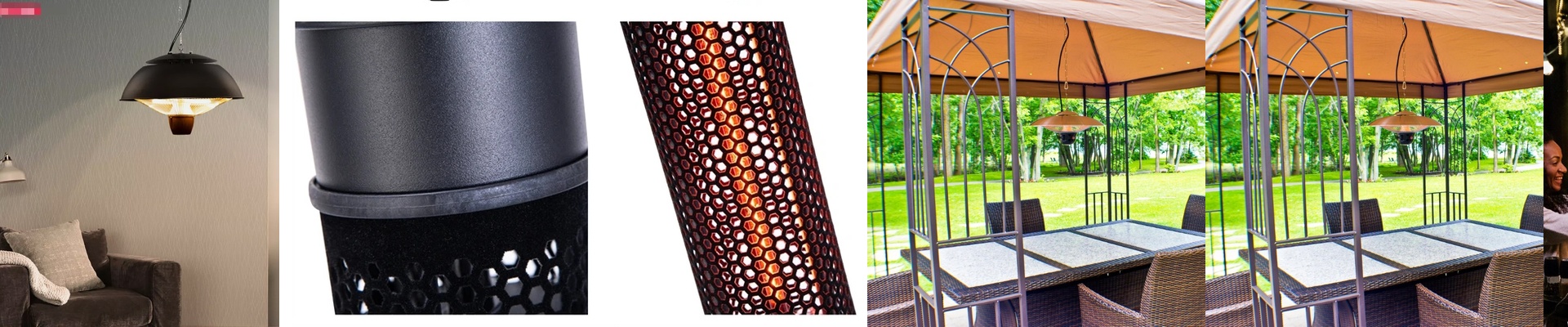

Municipal budgets take a beating every winter when big public buildings—libraries, community centers, administrative offices—run traditional forced-air systems. The bills pile up fast, and people still complain about drafts and uneven warmth. Swap in outdoor electric heaters, specifically infrared models, and the whole equation shifts.
What matters, technically
Infrared electric heaters deliver radiant heat, warming people and solid surfaces directly instead of heating the air. In the field, that means a 1.5–3 kW unit can keep comfort levels up in high-traffic entryways, lobbies, and covered outdoor queues. The core is usually quartz tubes or carbon fiber elements that come up to temperature in seconds—minimal warm-up, immediate comfort. Most commercial-grade models run on standard voltage, plug in cleanly, and include thermostat control for steady, repeatable operation. Safety is built in with tip-over protection, protective grilles, and IP ratings matched to covered outdoor use.
Why it fits these buildings
Public buildings often spend energy heating empty air. Heat rises, drafts form, and thermostats chase comfort without ever catching it. Infrared outdoor electric heaters put heat where people feel it—at floor level and on occupants—so you can back the ambient thermostat down a few degrees without anyone noticing. That direct transfer cuts wasted energy and shaves consumption during peak winter months. Maintenance is simpler, too. With fewer moving parts than forced-air systems, there are fewer belts, motors, and filters to swap out, which shortens service calls and lowers spare parts costs. The payoff shows up as a clear, measurable drop in annual heating spend.
The practical details
Infrared warmth does its best work in drafty or semi-open spaces when the heaters are placed to cover the right footprint. Plan for even spacing and line-of-sight coverage, and size the units to the area—not the look you want. For fully exposed outdoor spots, go with higher IP ratings and consider wind shielding to keep the heat where it should be. Installation is straightforward, but load planning matters. Make sure the circuits and controls can handle the total demand.
งบประมาณเทศบาลได้รับผลกระทบทุกฤดูหนาวเมื่ออาคารสาธารณะขนาดใหญ่ เช่น ห้องสมุด ศูนย์ชุมชน และสำนักงานบริหาร ใช้ระบบทำความร้อนด้วยลมบังคับแบบดั้งเดิม ค่าใช้จ่ายพุ่งสูงขึ้นอย่างรวดเร็ว และผู้คนยังคงบ่นเกี่ยวกับลมพัดและความร้อนที่ไม่สม่ำเสมอ การเปลี่ยนมาใช้เครื่องทำความร้อนไฟฟ้าภายนอกอาคาร โดยเฉพาะแบบอินฟราเรด จะเปลี่ยนแปลงสถานการณ์ทั้งหมด
ปัจจัยทางเทคนิคที่สำคัญ
เครื่องทำความร้อนไฟฟ้าอินฟราเรดให้ความร้อนแบบแผ่รังสี ทำความร้อนกับผู้คนและพื้นผิวแข็งโดยตรงแทนที่จะทำความร้อนกับอากาศ ในการใช้งานจริง หมายความว่าเครื่องขนาด 1.5–3 kW สามารถรักษาระดับความสบายในทางเข้า ล็อบบี้ และแถวรอภายนอกที่มีคนหนาแน่น แกนหลักมักจะเป็นท่อควอตซ์หรือเส้นใยคาร์บอนที่ร้อนขึ้นภายในไม่กี่วินาที — ใช้เวลาร้อนน้อย ให้ความสบายทันที เครื่องรุ่นเกรดเชิงพาณิชย์ส่วนใหญ่วิ่งด้วยแรงดันไฟฟ้ามาตรฐาน เสียบปลั๊กได้สะดวก และมีการควบคุมเทอร์โมสตัทเพื่อการทำงานที่เสถียรและทำซ้ำได้ ความปลอดภัยถูกออกแบบมาแล้วโดยมีระบบป้องกันการล้ม ตะแกรงป้องกัน และระดับ IP ที่เหมาะสมกับการใช้งานภายนอกที่มีหลังคาคลุม
เหตุผลที่เหมาะกับอาคารเหล่านี้
อาคารสาธารณะมักใช้พลังงานไปกับการทำความร้อนให้กับอากาศที่ว่างเปล่า ความร้อนลอยตัวขึ้น ลมพัดเกิดขึ้น และเทอร์โมสตัทพยายามควบคุมความสบายแต่ไม่ประสบผลสำเร็จ เครื่องทำความร้อนไฟฟ้าอินฟราเรดสำหรับใช้งานภายนอกจะส่งความร้อนตรงไปยังจุดที่ผู้คนรู้สึกได้ คือบริเวณระดับพื้นและตัวผู้ใช้งาน จึงสามารถลดอุณหภูมิเทอร์โมสตัทโดยรอบลงได้ไม่กี่องศาโดยไม่มีใครสังเกต การถ่ายเทความร้อนโดยตรงนี้ช่วยลดการสูญเสียพลังงานและลดการใช้พลังงานในช่วงเดือนหนาวสูงสุด
การบำรุงรักษาก็ง่ายขึ้นเช่นกัน เนื่องจากมีชิ้นส่วนที่เคลื่อนไหวน้อยกว่าระบบลมบังคับ จึงมีสายพาน มอเตอร์ และไส้กรองให้ต้องเปลี่ยนน้อยลง ส่งผลให้เวลาการเรียกบริการสั้นลงและค่าอะไหล่ลดลง ผลตอบแทนจะแสดงให้เห็นเป็นการลดค่าใช้จ่ายด้านความร้อนประจำปีที่ชัดเจนและวัดได้
รายละเอียดเชิงปฏิบัติ
ความอบอุ่นจากอินฟราเรดให้ผลดีที่สุดในพื้นที่ที่มีลมพัดหรือพื้นที่กึ่งเปิด เมื่อเครื่องทำความร้อนถูกติดตั้งให้ครอบคลุมพื้นที่ที่เหมาะสม วางแผนให้มีการเว้นระยะอย่างสม่ำเสมอและให้เครื่องอยู่ในเส้นสายตา และกำหนดขนาดเครื่องให้เหมาะสมกับพื้นที่ ไม่ใช่เพื่อความสวยงาม สำหรับพื้นที่กลางแจ้งที่เปิดโล่งควรเลือกเครื่องที่มีระดับ IP สูงขึ้นและพิจารณาการป้องกันลมเพื่อรักษาความร้อนให้อยู่ในตำแหน่งที่ต้องการ
การติดตั้งทำได้ง่าย แต่การวางแผนโหลดไฟฟ้ามีความสำคัญ ต้องแน่ใจว่าวงจรและการควบคุมสามารถรองรับความต้องการไฟฟ้ารวมทั้งหมดได้