


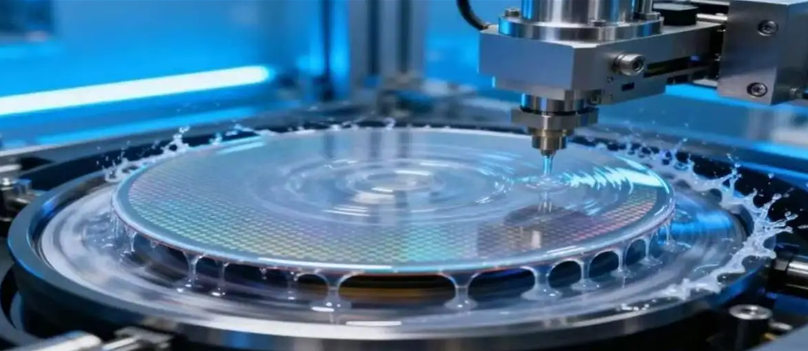
On the fab floor, you know how quickly things can go sideways. A 0.5°C drift during photoresist soft bake is enough to move linewidths. An unstable drying ramp? That’s a straight invitation to micro-bridging. Thermal repeatability isn’t a “nice to have.” It is the process. We built our ceramic lamp holders for fab heaters to lock down infrared heating where it counts: wafer drying, photoresist pre-bake, and hard-bake curing. What matters technically The ceramic body holds up at high temperature and keeps outgassing low, so particle counts stay flat in Class 1–100 cleanrooms. Paired with short-wave infrared emitters, you get rapid, direct coupling into photoresist and substrate. That translates to sub-second response and tighter control of your thermal budget. Expect ±0.1°C uniformity across the wafer plane, and repeatability that stays inside process spec, shift after shift. The holder interface is designed around standard halogen/IR lamp footprints, with solid terminations and EMI-aware routing so controller stability doesn’t take a hit. Why it works where it matters In lithography cells, soft bake repeatability directly sets CD uniformity and sidewall profile. In cleaning and drying, controlled, non-contact heating cuts surface defects and watermarks without mechanical agitation. The ceramic holder holds setpoint under 24/7 duty cycles, so you see fewer unplanned stops and less rework. Energy use comes down too—fast ramp-to-soak and minimal idle power keep the thermal profile tight without waste. Things to keep in mind Mounting tolerance is tight. Keep the emitter axis aligned to the wafer plane within 0.5 mm if you want to preserve uniformity. There will be a brief warm-up drift until the holder and emitter reach thermal equilibrium—plan your soak window accordingly. Verify controller compatibility for the load, and make sure you spec cleanroom-compatible seals for your solvent and acid environment.